
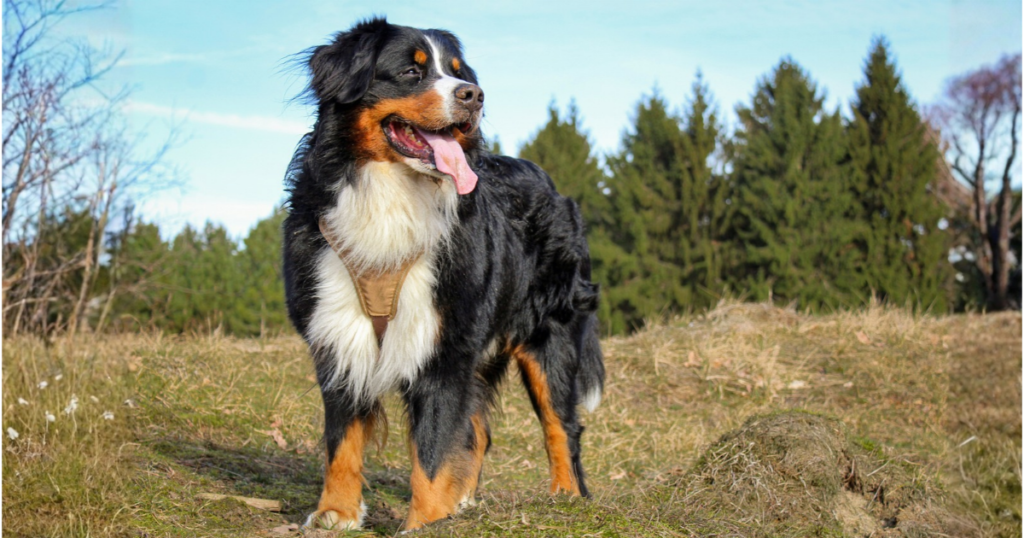
Cancer accounts for a striking proportion of deaths in published Bernese Mountain Dog studies. Understanding what those findings mean—and what an insurance policy will actually pay for—can help owners plan for difficult veterinary decisions.
A Bernese Mountain Dog can spend an ordinary morning following its family around the house, eating breakfast and settling down for a nap. Then, perhaps weeks later, the owner notices a limp that has not improved, an unfamiliar lump or a loss of appetite that cannot be explained.
Those symptoms do not automatically mean cancer. But for this breed, cancer deserves serious attention because veterinary research has repeatedly identified it as a major cause of death.
In a Swiss study published in BMC Veterinary Research, researchers attributed 222 of 381 deaths—58.3%—to neoplasia, meaning tumor-related disease. A separate Dutch study associated at least 55.1% of Bernese Mountain Dog deaths with malignant tumors.
These are important findings, but they require careful interpretation. They describe causes of death in particular study populations. They do not establish that every living Bernese Mountain Dog has exactly a 55–58% chance of developing cancer, nor do they predict the future of an individual puppy.
For Bernese Mountain Dog pet insurance, the practical concern is straightforward: cancer diagnostics and treatment can involve specialist consultations, imaging, surgery, medication and repeated appointments. The policy details determine how much of that expense an owner may recover.
What Owners Should Know First
- Cancer is a leading cause of death in several published Bernese Mountain Dog populations, but reported percentages vary between studies.
- Histiocytic sarcoma is an especially important breed-associated cancer, although it is not the only malignancy seen in Bernese Mountain Dogs.
- An accident-and-illness policy may help with eligible cancer treatment, but exclusions, waiting periods, limits and medical history matter.
- Hip and elbow problems, gastric dilatation-volvulus and other serious conditions also deserve consideration.
- Compare real quotes using identical coverage settings. Breed-wide monthly averages from unrelated websites are not a substitute for a current quote.
What the Cancer Research Actually Shows
The Swiss study, published in 2016, followed information collected from owners and veterinarians of Bernese Mountain Dogs born in 2001 and 2002. Researchers obtained records for 389 dogs; 381 had died by the end of the study.
Neoplasia was recorded as the cause of death in 222 dogs, or 58.3% of the deceased study group. The median lifespan was 8.4 years, with females living longer than males on average in this population.
There were limitations. The cause of death was unknown for 89 dogs, and many tumor diagnoses had not been confirmed by cytology or histopathology. The authors specifically cautioned that the true burden of neoplastic disease could differ from the reported figure.
The Dutch study, published in 2013, examined causes of death in Bernese Mountain Dogs and Flat-Coated Retrievers. It found that at least 55.1% of Bernese Mountain Dog deaths were associated with malignant tumors.
However, a Danish study reported neoplasia in 42.1% of recorded deaths, with an average lifespan of 7.1 years. These differences show why a single number should not be treated as universal.
| Study Population | Reported Finding | Important Context |
|---|---|---|
| Switzerland, 2016 publication | 58.3% of deaths attributed to neoplasia | 381 deceased dogs; some diagnoses lacked laboratory confirmation. |
| Netherlands, 2013 publication | At least 55.1% of deaths associated with malignant tumors | Retrospective study involving Dutch breed populations. |
| Denmark, 2010 publication | 42.1% of recorded deaths attributed to neoplasia | Different population, study design and data collection. |
The consistent message is not that cancer is inevitable. It is that malignancy is a substantial and well-documented health concern in this breed, important enough to influence veterinary planning and insurance decisions.
Why Histiocytic Sarcoma Matters So Much
Histiocytic sarcoma is an aggressive cancer associated with cells involved in the immune system. Although uncommon across dogs generally, it is strongly associated with several breeds, particularly Bernese Mountain Dogs.
Researchers at the University of California, Davis describe a familial and complex genetic predisposition in Bernese Mountain Dogs. Their work indicates that susceptibility is polygenic: multiple genetic factors contribute rather than a single simple inheritance pattern explaining every case.
That distinction matters. A healthy-looking puppy from healthy parents is not necessarily free of inherited susceptibility, and there is no single screening result that can guarantee a Bernese Mountain Dog will never develop histiocytic sarcoma.
Localized Histiocytic Sarcoma
Localized disease may begin as a tumor in one area, including bone, joint-associated tissue, skin or lung. The initial sign depends on the location. A dog with a tumor affecting a limb may develop persistent lameness or swelling.
Some localized tumors can be considered for surgery, sometimes with additional treatment. The feasibility and expected benefit depend on tumor location, staging and the dog’s overall health.
Disseminated Histiocytic Sarcoma
Disseminated disease involves multiple organs or tissues. Dogs may develop vague symptoms such as poor appetite, weight loss, weakness or reduced activity before the underlying cause becomes clear.
This form is often difficult to manage because the disease is already widespread when diagnosed.
Hemophagocytic Histiocytic Sarcoma
NC State Veterinary Hospital identifies a hemophagocytic form that originates in the spleen and can progress rapidly. It may be associated with serious blood abnormalities and systemic illness.
These forms should not be treated as interchangeable. Their behavior, diagnostic workup, treatment options and prognosis can differ considerably.
How Common Is Histiocytic Sarcoma in Bernese Mountain Dogs?
Some breed summaries quote a 20–25% figure for histiocytic sarcoma. That number requires context because studies may report the proportion of deaths attributed to the disease, the proportion of tumors diagnosed or another measure entirely.
A review of breed predispositions to cancer reports that disseminated histiocytic sarcoma may account for up to 25% of deaths in Bernese Mountain Dogs in certain published data.
The Dutch mortality study found that more than one in seven Bernese Mountain Dogs in its study died because of histiocytic sarcoma.
Neither figure means that exactly one in four living Bernese Mountain Dogs will develop this cancer. The denominator and study population matter.
For owners, the useful conclusion is that histiocytic sarcoma deserves particular attention when evaluating cancer coverage, without assuming that it is the only serious disease their dog could face.
Can Cancer Develop While a Bernese Mountain Dog Is Young?
Yes. Although cancer risk generally increases with age, histiocytic sarcoma has been reported in younger dogs. NC State notes that most affected dogs are middle-aged or older, but young dogs can also develop the disease.
This is one reason it can be sensible to compare insurance while a Bernese Mountain Dog is young and has no known illness.
However, the fact that cancer can occur in young dogs does not mean a particular puppy is likely to develop it at one or two years old. Nor does buying a policy immediately guarantee coverage for every future tumor.
Insurance eligibility still depends on the medical history, waiting periods, policy exclusions and the precise date coverage becomes effective.
Warning Signs Owners Should Take Seriously
There is no single symptom that identifies histiocytic sarcoma at home. Signs depend on where a tumor develops and whether other organs are affected.
- Persistent or unexplained lameness: especially when accompanied by swelling or pain.
- New lumps or enlarging masses: particularly those that grow, change or cause discomfort.
- Unexplained weight loss: even when feeding habits have not changed substantially.
- Reduced appetite or energy: particularly when symptoms persist or worsen.
- Coughing or breathing changes: which may have many causes, including lung disease.
- Weakness, pale gums or collapse: signs that may indicate a serious emergency.
When to Seek Veterinary Care
Arrange veterinary assessment for persistent lameness, unexplained weight loss, new or changing masses, or ongoing appetite changes. Collapse, severe weakness, difficulty breathing or pale gums may require emergency care.
These signs do not prove that a dog has cancer. Early veterinary evaluation helps identify the cause and determine appropriate next steps.
How Veterinarians Investigate Suspected Cancer
A veterinary cancer investigation usually begins with a physical examination and medical history. The veterinarian may recommend bloodwork, imaging or sampling of an abnormal mass.
The appropriate tests depend on the symptoms and the suspected tumor type. Not every dog needs every procedure.
Bloodwork and General Assessment
Blood tests can help evaluate anemia, organ function and the dog’s overall condition. They may identify abnormalities that influence treatment decisions, but routine bloodwork alone cannot reliably diagnose or exclude histiocytic sarcoma.
Imaging
Radiographs, ultrasound or advanced imaging may be recommended to locate abnormalities or investigate whether disease has spread.
For example, a dog with persistent lameness might need orthopedic imaging, while a dog with suspected abdominal disease might undergo ultrasound.
Cytology, Biopsy and Pathology
Obtaining cells or tissue from a suspicious lesion can be essential for identifying the cancer type. In some cases, specialized pathology testing is needed to distinguish histiocytic sarcoma from other tumors.
This matters because different cancers can require very different treatments. A treatment plan based only on the assumption that a Bernese Mountain Dog probably has histiocytic sarcoma could be inappropriate.
Staging and Oncology Consultation
Once a diagnosis is established, the veterinary team may recommend staging to determine the extent of disease. A veterinary oncologist can explain available treatments, expected benefits, adverse effects and likely costs.
Owners should feel comfortable asking what each test will change about the treatment plan.
What Does Histiocytic Sarcoma Treatment Involve?
Treatment depends on the form of the disease, its location, whether it has spread and the dog’s general health.
For a localized tumor, surgery may be considered when the location allows. Additional treatment, including chemotherapy, may be discussed.
For disseminated disease, surgery alone is generally not a solution because multiple organs or tissues are involved. Medical treatment and supportive care may be more relevant.
NC State describes histiocytic sarcoma as an aggressive cancer. Prognosis varies by form and stage, and owners should discuss realistic expectations with a veterinary oncologist rather than relying on a single survival statistic.
Palliative care is also a legitimate treatment choice. Pain management, appetite support and maintaining comfort can be appropriate priorities when aggressive therapy offers limited benefit or conflicts with the dog’s welfare.
What Cancer Treatment Can Cost
The original article listed a $3,000–$20,000 range for histiocytic sarcoma treatment. While complex oncology care can be expensive, that range should not be presented as a verified national average without a consistent dataset and a clear definition of included services.
Actual charges depend on the veterinary hospital, geographic area, diagnostic findings and chosen treatment plan.
| Potential Expense | Why It May Be Needed | Insurance Question |
|---|---|---|
| Examination and laboratory testing | Initial evaluation and assessment of overall health. | Are examination fees and diagnostic bloodwork eligible? |
| Ultrasound, radiographs or CT | Locating tumors and assessing possible spread. | Are advanced imaging and specialist interpretation covered? |
| Biopsy and pathology | Confirming tumor type and guiding treatment. | Are pathology and specialized laboratory tests included? |
| Oncology consultation | Discussing treatment options and prognosis. | Does the plan reimburse specialist consultations? |
| Surgery | Removing suitable localized tumors. | What limits apply to surgery, anesthesia and hospitalization? |
| Chemotherapy or other medication | Treating selected cancers or managing symptoms. | Are cancer medications and follow-up visits eligible? |
| Palliative care | Supporting comfort and quality of life. | Which prescribed pain medications and supportive services are covered? |
An itemized estimate from the treating hospital is more useful than an unsourced internet average. Owners can also ask the oncology team which tests are essential, which are optional and how treatment choices affect both cost and quality of life.
Other Health Risks Bernese Mountain Dog Owners Should Consider
Cancer receives the most attention, but a comprehensive insurance decision should also account for orthopedic disease, emergencies and conditions affecting mobility.
Hip and Elbow Dysplasia
Hip and elbow dysplasia are important orthopedic concerns in large and giant breeds, including Bernese Mountain Dogs. These developmental joint disorders can lead to pain, lameness and osteoarthritis.
Treatment ranges from weight management, medication and rehabilitation to surgery in selected cases.
Insurance questions include hereditary-condition exclusions, orthopedic waiting periods, diagnostic imaging, surgery and rehabilitation benefits.
Gastric Dilatation-Volvulus (Bloat)
Gastric dilatation-volvulus, or GDV, is a life-threatening emergency in which the stomach becomes distended and may twist.
Large, deep-chested dogs can be at risk. Symptoms may include repeated unproductive retching, a swollen abdomen, restlessness, pain and collapse.
Suspected GDV requires immediate emergency veterinary care. Owners should not wait to contact an insurer before seeking treatment.
Ask whether emergency surgery, hospitalization and intensive care are covered. Preventive gastropexy may be treated differently from emergency surgery under some policies.
Degenerative Myelopathy
Degenerative myelopathy is a progressive neurological condition that can cause hind-limb weakness and loss of coordination.
Genetic risk testing is available for some forms of the disease, but a genetic result is not equivalent to a clinical diagnosis. Dogs carrying a risk-associated variant do not all develop symptoms.
Insurance coverage for mobility aids, rehabilitation and long-term supportive care varies. Owners should check these benefits rather than assuming all neurological support services are included.
Other Joint and Spinal Problems
The Swiss mortality study also recorded deaths associated with degenerative joint disease and spinal disorders. These conditions may require ongoing medication, mobility support or specialist evaluation.
They illustrate why focusing entirely on cancer can leave important gaps in a Bernese Mountain Dog’s insurance plan.
Why the Breed’s Lifespan Matters for Financial Planning
Bernese Mountain Dogs are often described as having a relatively short lifespan, but the exact figure varies across studies.
The Swiss study reported a median lifespan of 8.4 years. The Danish study reported an average lifespan of 7.1 years.
Those are different statistical measures from different populations. They should not be combined into a single precise prediction for every Bernese Mountain Dog.
A shorter average lifespan also does not mean that all veterinary expenses occur early. Some dogs develop major illnesses while young; others remain healthy for years before needing extensive treatment.
For financial planning, the relevant question is whether the household could comfortably absorb a major veterinary bill whenever it occurs.
How Much Is Bernese Mountain Dog Pet Insurance?
Bernese Mountain Dog pet insurance premiums depend on several variables: the dog’s age, location, insurer, deductible, reimbursement percentage, annual limit and medical history.
The original article cited monthly figures of approximately $65, $70, $76, $77 and $91 from different sources, alongside a much higher estimate near $226.
Those numbers were not produced using one standardized dog profile and one consistent set of coverage options. As a result, they cannot reliably establish a current national breed average.
A six-year-old Bernese Mountain Dog in an expensive veterinary market may receive a very different quote from a young puppy in another location. A policy with a $5,000 annual limit is also not directly comparable to one with unlimited annual benefits.
The most reliable approach is to obtain several current quotes using the same details and compare the actual policy documents.
How to Compare Quotes Fairly
| Comparison Item | Keep Consistent | Why It Matters |
|---|---|---|
| Dog’s age | Use the same age and date of birth. | Premiums often increase with age. |
| ZIP code | Use the same location. | Local veterinary costs influence pricing. |
| Deductible | Compare the same dollar amount. | Higher deductibles may reduce premiums but increase out-of-pocket costs. |
| Reimbursement | Use the same percentage. | Changes how much eligible expense remains with the owner. |
| Annual limit | Compare similar limits. | Important when cancer treatment or emergency surgery is expensive. |
| Coverage type | Compare accident-and-illness plans. | Accident-only coverage generally does not cover cancer treatment. |
| Optional benefits | Identify add-ons separately. | Examination fees, rehabilitation and wellness benefits may differ. |
Comparing Insurance Providers
Lemonade, AKC Pet Insurance, Rainwalk, Fetch and Pumpkin were included in the original comparison. Rather than assigning unverified breed-specific rankings or treating old quoted prices as current, the more useful approach is to compare policy wording.
| Provider | What to Verify |
|---|---|
| Lemonade | Current cancer benefits, annual limits, specialist fees and applicable exclusions. |
| AKC Pet Insurance | State-specific provisions concerning pre-existing and hereditary conditions. |
| Rainwalk | Availability in your state, coverage options and cancer-related exclusions. |
| Fetch | Reimbursement structure, annual limits, examination fees and prescribed medication coverage. |
| Pumpkin | Hereditary-condition wording, cancer treatment benefits and optional services. |
This is a policy comparison checklist, not a ranking or endorsement. Coverage and pricing can vary by state and policy version. Request current sample policies before making a decision.
Why Annual Limits Deserve Extra Attention
A low monthly premium can be attractive, but it may come with a lower annual reimbursement limit.
For a breed with a substantial cancer burden in published research, it is worth examining whether the policy could support a major oncology workup or surgery without exhausting its benefits.
Consider the difference between a plan with a $5,000 annual limit and one with a $15,000 annual limit. Both may offer the same reimbursement percentage, but the lower-limit policy stops reimbursing eligible claims once the annual maximum is reached.
Higher limits generally come with higher premiums, and not every owner needs the most expensive plan. The goal is to choose a level of protection that fits the household’s finances and willingness to pursue advanced veterinary treatment.
A Practical Insurance Reimbursement Example
Imagine a Bernese Mountain Dog receives a cancer diagnosis and the veterinary hospital bills $12,000 for eligible diagnostics and treatment.
Assume the policy has a $500 annual deductible, 80% reimbursement after the deductible and a $15,000 annual reimbursement limit.
| Calculation | Amount |
|---|---|
| Eligible veterinary charges | $12,000 |
| Annual deductible | $500 |
| Eligible amount after deductible | $11,500 |
| 80% reimbursement | $9,200 |
| Owner’s remaining share | $2,800 |
This is a hypothetical illustration, not an actual claim or a typical Bernese Mountain Dog cancer bill. It assumes all $12,000 in charges are eligible and that the policy calculates reimbursement in this order.
Now consider the same eligible charges under a policy capped at $5,000 in annual reimbursement. The insurer’s payment could be limited to $5,000, leaving the owner responsible for at least $7,000 of that bill.
The actual result may differ because policies vary in how they apply deductibles, reimbursement percentages, examination-fee exclusions and annual limits.
The useful comparison: Ask what you would pay out of pocket after a substantial eligible cancer claim, not merely what the policy costs each month.
How Pre-Existing Conditions Affect Cancer Claims
Pet insurance generally excludes conditions considered pre-existing under the contract. Insurers may examine signs and symptoms documented before coverage began or during the waiting period, even if a formal diagnosis came later.
For example, imagine a Bernese Mountain Dog develops persistent lameness and receives veterinary treatment before insurance starts. Several weeks later, testing identifies a bone tumor.
An insurer may review the earlier lameness record to determine whether it was related to the later cancer diagnosis.
That does not mean every earlier limp automatically becomes a cancer exclusion. Medical evidence and the precise policy definition matter.
Owners should disclose accurate medical histories, retain veterinary records and ask for written clarification when a potential exclusion is unclear.
Are Hereditary Conditions Covered?
Some accident-and-illness policies cover eligible hereditary conditions, while others impose exclusions, waiting periods or limitations.
A breed’s genetic predisposition does not automatically mean every future illness is pre-existing. Conversely, a policy that advertises hereditary-condition coverage does not necessarily cover an illness already documented before enrollment.
For Bernese Mountain Dogs, review the wording for cancer, hip dysplasia, elbow dysplasia and neurological conditions.
Also ask whether the policy distinguishes genetic testing from treatment of a diagnosed disease. Preventive screening may not be covered in the same way as medically necessary diagnostic care.
What About Chemotherapy and Specialist Oncology Care?
Do not assume that a policy covers every cancer-related expense simply because it includes illness coverage.
Before enrolling, ask whether eligible benefits include:
- Oncology consultations and referral appointments.
- Biopsy, cytology and pathology testing.
- Ultrasound, CT and other medically necessary imaging.
- Cancer surgery and hospitalization.
- Prescribed chemotherapy and other eligible medications.
- Monitoring bloodwork and follow-up examinations.
- Palliative pain management and supportive treatment.
Ask about exclusions, annual limits and any separate restrictions on particular services. Written policy wording is more dependable than a short marketing summary.
When Should You Enroll a Bernese Mountain Dog?
Comparing coverage while a dog is young and healthy can be beneficial because there may be fewer documented conditions that could later affect eligibility.
That principle is especially relevant when considering a breed with significant inherited and cancer-related health concerns.
However, there is no guaranteed age at which every illness will be covered. A puppy may already have a medical finding, and waiting periods still apply.
The right approach is to review policies early, choose suitable coverage and continue ordinary veterinary care without delay.
Never postpone an examination, hide a symptom or avoid necessary testing to influence insurance eligibility.
Is Bernese Mountain Dog Pet Insurance Worth It?
Insurance can be valuable when an unexpected veterinary bill would otherwise force a household to limit treatment options. But whether it is worth purchasing depends on the policy, premium, available savings and the owner’s financial priorities.
A simple premium calculation can help.
At a hypothetical premium of $75 per month, five years of payments would total $4,500, assuming the premium never changed.
Real premiums may increase, and an insurance policy is not an investment account. The purpose is to transfer some eligible financial risk to an insurer, not to guarantee that reimbursements exceed premiums.
A Bernese Mountain Dog may never need expensive oncology treatment. Another may develop a serious illness that produces substantial veterinary expenses.
Owners who could comfortably pay a large emergency bill from savings may prefer a different level of coverage from owners who would struggle to do so.
A reasonable decision accounts for both the breed’s documented health risks and the family’s ability to pay for care.
Can Anything Reduce Cancer Risk?
No routine screening schedule or lifestyle change has been proven to eliminate the inherited susceptibility to histiocytic sarcoma in Bernese Mountain Dogs.
Responsible breeding decisions, appropriate genetic counseling and continued research are important, but no individual test can guarantee that a dog will remain cancer-free.
Owners can still support general health through suitable nutrition, weight management, exercise and regular veterinary care.
Promptly investigating a persistent lump, unexplained lameness or weight loss may help establish a diagnosis sooner. Earlier detection can sometimes expand treatment options, but it does not guarantee a favorable outcome for an aggressive cancer.
Questions to Ask Your Insurer Before Buying
- Does the plan cover eligible cancer treatment? Ask specifically about surgery, chemotherapy, pathology and oncology consultations.
- What is the annual reimbursement limit? Consider how a substantial oncology claim would affect the remaining benefits.
- How are pre-existing symptoms defined? Ask whether unexplained lumps or lameness documented before enrollment could affect later claims.
- Are hereditary conditions included? Review cancer-related provisions alongside hip and elbow dysplasia.
- Are specialist examinations and advanced imaging eligible? These services can be important during cancer staging.
- Does the policy cover ongoing medication and follow-up care? Treatment does not always end after one procedure.
- How are emergency surgeries handled? Ask about GDV and other urgent conditions.
- Will the insurer provide the relevant policy wording? Save a copy of the documents applicable to your state.
What to Keep for a Future Cancer Claim
If a Bernese Mountain Dog requires extensive veterinary treatment, organized records can help owners understand bills and communicate with the insurer.
- Veterinary examination notes and symptom dates.
- Diagnostic imaging reports.
- Biopsy and pathology results.
- Oncology consultation reports.
- Treatment recommendations and consent forms.
- Prescription records.
- Itemized invoices and receipts.
- Claim decisions and insurer correspondence.
Complete documentation does not guarantee reimbursement, but it can clarify which treatments were performed, why they were recommended and when the relevant condition was first recorded.
Frequently Asked Questions
Some accident-and-illness policies may cover eligible diagnosis and treatment when the cancer is not excluded as pre-existing and other policy requirements are met. Confirm coverage for oncology consultations, imaging, surgery, medication and follow-up care.
The premium depends on the puppy’s age, location, deductible, reimbursement rate, annual limit and insurer. Compare current quotes using identical settings rather than relying on an unverified breed average.
Cancer is a major contributor to mortality in published breed studies. Other illnesses also affect longevity. A Swiss study reported a median lifespan of 8.4 years, while a Danish study reported an average of 7.1 years. These figures describe different populations and measures.
Premiums can be substantial for large breeds, but there is no universal monthly price. The best comparison uses actual quotes for the same dog and matching policy limits, deductibles and reimbursement percentages.
Hip and elbow dysplasia, joint disease, spinal disorders and gastric dilatation-volvulus are important concerns. Owners should discuss individual risks and preventive care with their veterinarian.
No screening method has been proven to prevent histiocytic sarcoma. Veterinary examinations and prompt investigation of concerning symptoms may help identify disease, but early detection does not guarantee successful treatment.
A high or unlimited annual limit can reduce the risk of exhausting reimbursement during an expensive eligible claim. It may also cost more. Compare the additional premium with your savings, treatment preferences and the policy’s other exclusions.
Not necessarily. Insurers define pre-existing conditions through their policy terms and may consider symptoms, diagnoses and medical history. A breed’s general predisposition is not the same as a documented illness, but coverage decisions remain policy-specific.
The Bottom Line
Bernese Mountain Dogs have a well-documented burden of cancer in several veterinary studies. Histiocytic sarcoma is particularly important because of the breed’s inherited susceptibility and the disease’s potentially aggressive behavior.
Insurance cannot prevent cancer, change the dog’s genetic risk or guarantee that treatment will succeed. What it may do is help owners manage eligible expenses for diagnosis, surgery, specialist care and medication.
The most useful policy is not necessarily the one with the lowest premium. Compare annual limits, hereditary-condition coverage, cancer benefits, waiting periods and pre-existing-condition definitions.
For more detail, read our pet insurance cancer coverage guide and hip dysplasia insurance guide.
You may also find our Golden Retriever pet insurance guide and Rottweiler pet insurance guide useful when comparing cancer-related breed risks.
Learn more about the website on our About Us page.
Sources and Research
- Klopfenstein M, et al. (2016). Life Expectancy and Causes of Death in Bernese Mountain Dogs in Switzerland. BMC Veterinary Research. Swiss mortality data, median lifespan and study limitations.
- Causes of Death and the Impact of Histiocytic Sarcoma on the Life Expectancy of the Dutch Population of Bernese Mountain Dogs and Flat-Coated Retrievers. The Veterinary Journal. Dutch cancer mortality and histiocytic sarcoma findings.
- Malignant Histiocytosis and Other Causes of Death in Bernese Mountain Dogs in Denmark. Veterinary Record. Danish mortality and lifespan data.
- UC Davis School of Veterinary Medicine. Histiocytic Sarcoma Complex: General Considerations. Disease classification and inherited predisposition.
- UC Davis School of Veterinary Medicine. Frequently Asked Questions: Canine Histiocytosis. Genetics and breed-related susceptibility.
- NC State Veterinary Hospital. Medical Oncology: Canine Histiocytic Sarcoma. Clinical forms, signs and treatment considerations.
- Breed-Predispositions to Cancer in Pedigree Dogs. Peer-reviewed discussion of histiocytic sarcoma and breed-associated cancer risk.
- Clinical Prognostic Factors in Canine Histiocytic Sarcoma. Retrospective research on prognosis and disease characteristics.
The PetCoverToday Editorial Team develops and maintains the guides on this site, checking cost figures, coverage terms, and policy rules against insurers' own published pages and, where relevant, veterinary and industry sources. PetCoverToday is an informational website, not a licensed insurance agency, and does not sell policies. Read more about our editorial approach.