
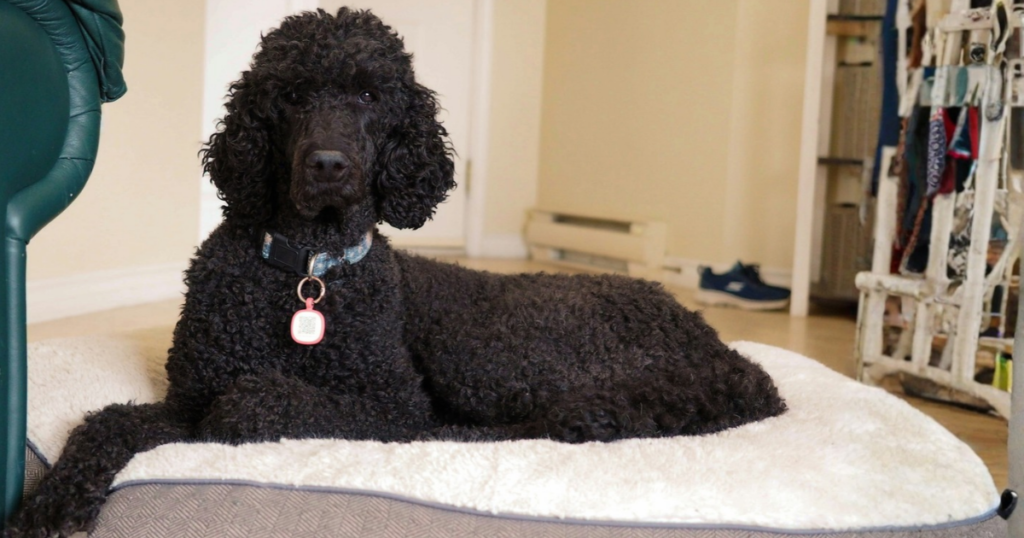
Standard Poodles carry up to 18 times the average risk of a hidden autoimmune disease most owners have never heard of. Here is what real research shows about Poodle pet insurance costs and coverage, broken down by size.
Poodle Pet Insurance: What a Hidden Autoimmune Risk Means for Your Costs
Poodles are one of the most recognizable and popular breeds in the United States, prized for their intelligence and low shedding coat. Poodle pet insurance is complicated by a detail most owners never learn until a vet mentions it.
Standard Poodles carry a well documented, dramatically elevated risk of a serious autoimmune disease, one traced back to a specific genetic event in the breed’s own history.
This guide walks through what Poodle pet insurance actually costs in 2026, why size matters more for this breed than almost any other, and what to check before you buy a policy.
Key takeaways
- Standard Poodles carry a dramatically elevated risk of Addison’s disease, with peer reviewed research citing prevalence as high as 9%, compared to roughly 0.5% in the general dog population, an increase of up to 18 times.
- This risk traces back to a documented genetic bottleneck. UC Davis researchers found that intense inbreeding for desired traits in the mid twentieth century inadvertently amplified genes linked to Addison’s disease and a related condition, sebaceous adenitis.
- Poodle pet insurance costs vary significantly by size. Compare.com data puts Toy Poodles around $28 a month and Miniature Poodles around $49 a month, while one broader analysis places the average considerably higher.
- The Addison’s and sebaceous adenitis risk is concentrated in Standard Poodles specifically, not Toy or Miniature varieties, which most generic breed guides fail to mention.
Why Poodles are a special case for pet insurance
Most breed guides describe a single risk profile. Poodles are genuinely different because the breed comes in three distinct sizes, Toy, Miniature, and Standard, and one of the most serious health risks in the breed is concentrated almost entirely in just one of those three varieties.
Addison’s disease in Standard Poodles
Addison’s disease, also called hypoadrenocorticism, occurs when the adrenal glands fail to produce enough of the hormones the body needs to regulate stress response, blood pressure, and electrolyte balance. Left untreated, it can become a life threatening emergency.
A 2015 genetic study from the University of California, Davis, published in Canine Genetics and Epidemiology, found that Addison’s disease prevalence in Standard Poodles has been cited as high as 9% in some populations, compared to roughly 0.5% in dogs generally. That is up to 18 times the baseline risk.
Researchers traced the cause to intense inbreeding for desired physical traits in the mid twentieth century, which inadvertently concentrated the genes associated with the disease across the breed’s modern gene pool.
Sebaceous adenitis
The same UC Davis research identified a second autoimmune condition tied to the same genetic bottleneck, sebaceous adenitis, a disease that destroys the oil producing glands in the skin. A Poodle Club of America Foundation health survey placed prevalence at roughly 2.7% in Standard Poodles specifically.
Hip dysplasia and Legg-Calve-Perthes disease
Poodles across all three sizes can develop hip dysplasia, though the specific orthopedic risk differs by size. Toy and Miniature Poodles are more prone to Legg-Calve-Perthes disease, a condition affecting the hip joint in small breeds, while Standard Poodles face a hip dysplasia risk more comparable to other medium to large breeds.
Progressive retinal atrophy and bloat
Poodles are also known to carry elevated risk for progressive retinal atrophy, an inherited eye condition leading to blindness, and Standard Poodles, being deep chested, face a real risk of bloat, a sudden and life threatening emergency common to similarly built breeds.
What these conditions actually cost without insurance
Here is what owners typically pay out of pocket, based on current veterinary cost data.
| Condition or procedure | Typical cost range |
|---|---|
| Addison’s disease diagnosis and initial stabilization | $1,500 to $5,000 |
| Ongoing Addison’s medication (lifelong, monthly) | $50 to $200 per month |
| Sebaceous adenitis management (ongoing) | $300 to $1,000 per year |
| Hip dysplasia treatment (full range) | $1,500 to $10,000 |
| Bloat emergency surgery | $3,000 to $8,000 |
| Routine annual vet care | $500 to $1,200 |
Addison’s disease is a particularly important line item to understand, since it typically requires lifelong daily or monthly medication once diagnosed, not a one time treatment, which changes the shape of what you are actually insuring against.
How much does Poodle pet insurance cost in 2026?
As with most breed specific pricing, the exact figure depends heavily on which size Poodle you own and which source you check.
Cost varies meaningfully by size. Compare.com data puts the national average around $49 a month for Miniature Poodles, with Lemonade’s rates running as low as $24 a month for Miniature Poodles and $28 a month for Toy Poodles specifically. AKC Pet Insurance’s average across Poodle sizes runs closer to $55 a month.
One breed cost ranking runs notably higher. This comparison places the average considerably higher, at $113 a month, ranking Poodles the 74th most expensive breed to insure, based on a 6 year old dog with a $5,000 annual limit, $500 deductible, and 80% reimbursement.
The gap likely reflects the age and coverage assumptions in that model, along with the fact that Standard Poodles alone would push the average higher than Toy or Miniature data suggests. As a planning figure, budgeting in the $24 to $113 a month range covers most realistic scenarios, with size and age being the biggest variables.
Comparing pet insurance providers for Poodles
| Provider | Starting price (approx.) | Notable for Poodles |
|---|---|---|
| Lemonade | ~$24 to $28/mo | Lowest published rates, varies by Toy versus Miniature size |
| AKC Pet Insurance | ~$55/mo | Rated best overall for Poodles in independent comparisons; covers pre-existing conditions after 365 days |
| Rainwalk | Varies by state | Named among top Poodle options in independent comparisons |
| Pets Best | Varies by plan | Named among strong Poodle options |
| Pumpkin | Varies by plan | Named a top pick alongside Lemonade by Compare.com |
| Fetch | Varies by plan | Poodles rank as their 33rd most commonly insured breed |
Always confirm current quotes directly with the provider, since these figures shift based on your dog’s exact size, age, location, and the specific plan you select.
What to actually look for in a policy
- Coverage for chronic, lifelong conditions without a low sublimit. Since Addison’s disease requires ongoing medication rather than a one time treatment, confirm your annual limit and reimbursement structure work for recurring claims, not just single incidents.
- Hereditary condition coverage without breed exclusions, since Addison’s disease, sebaceous adenitis, hip dysplasia, and progressive retinal atrophy are all considered hereditary in this breed.
- Confirm your Poodle’s actual size when quoting. Given how much premiums vary between Toy, Miniature, and Standard, an inaccurate weight or size estimate can meaningfully skew your quote.
- A provider that covers pre-existing conditions after a waiting period, like AKC’s 365 day provision, if your dog already has a health history.
- Enrollment timing. Since Addison’s disease and sebaceous adenitis both typically appear in early to middle adulthood rather than puppyhood, enrolling as early as possible captures the most protection.
Is Poodle pet insurance worth it?
Consider a representative scenario. At $45 a month, a midpoint figure, a year of premiums costs $540. Addison’s disease alone, once diagnosed, typically requires $600 to $2,400 a year in ongoing medication on top of the initial diagnostic and stabilization cost of $1,500 to $5,000.
For Standard Poodle owners specifically, given a documented prevalence as high as 9%, roughly one in eleven Standard Poodles, the odds of encountering this condition are far from negligible.
Combined with the possibility of hip dysplasia, bloat, or progressive retinal atrophy, most Standard Poodle owners find comprehensive coverage a reasonable hedge against a breed with more going on health-wise than its elegant reputation suggests.
A practical way to think about it: Poodle pet insurance decisions should start with which size you actually own. A Toy Poodle’s risk profile and premium look very different from a Standard Poodle’s, and treating the breed as one monolithic risk category, as many generic guides do, misses the detail that matters most.
How to save money without losing key coverage
Enroll as a puppy, before any autoimmune symptoms appear. Since Addison’s disease and sebaceous adenitis typically show up in early to middle adulthood, insuring a Poodle young captures protection well before the highest risk window.
Confirm your dog’s size accurately when quoting. Given how much Poodle pet insurance premiums vary between Toy, Miniature, and Standard, an accurate weight estimate at quote time avoids both underpaying and unpleasant surprises later.
Choose a higher deductible if you can absorb it, especially for Standard Poodle owners weighing the ongoing cost of potential Addison’s medication against a lower monthly premium.
Ask directly whether hereditary conditions carry any waiting period beyond the standard illness wait. Some insurers apply longer waits to specific hereditary or chronic conditions, which matters given how central Addison’s disease is to this breed’s risk profile.
Frequently asked questions
Yes, in most cases, as long as it is not pre-existing and you have cleared the applicable waiting period. Coverage typically includes diagnostic testing, initial stabilization, and ongoing medication once diagnosed, though confirm your policy’s annual limit works for a lifelong recurring condition.
Generally yes. Compare.com and Lemonade data show meaningfully lower rates for Toy and Miniature Poodles, around $24 to $28 a month, compared to Standard Poodles, which tend to cost more given their larger size and broader risk profile.
Puppies are generally the cheapest to insure since they have not yet developed conditions that would become pre-existing exclusions. Given that Addison’s disease and sebaceous adenitis typically appear in early to middle adulthood rather than in puppyhood, early enrollment is especially valuable for Standard Poodles.
Addison’s disease occurs when the adrenal glands fail to produce enough hormones to regulate stress response and electrolyte balance. Research from UC Davis traced its elevated prevalence in Standard Poodles to a genetic bottleneck caused by intense inbreeding for desired traits in the mid twentieth century.
Not entirely. The elevated Addison’s disease and sebaceous adenitis risk documented by researchers is concentrated primarily in Standard Poodles. Toy and Miniature Poodles face their own distinct risks, including a higher likelihood of Legg-Calve-Perthes disease.
As early as possible, ideally as a puppy. Since Addison’s disease and sebaceous adenitis both tend to appear in early to middle adulthood rather than early in life, enrolling well before that window captures significantly more protection, particularly for Standard Poodles.
The bottom line
Poodles are intelligent, popular dogs, and Standard Poodles specifically carry a well documented, dramatically elevated risk of an autoimmune disease most owners never hear about until a vet raises it.
Between a documented Addison’s disease prevalence as high as 9% and the reality that Poodle pet insurance costs vary significantly by size, the right policy depends heavily on which Poodle you actually own, not a generic breed average.
If you are comparing coverage across breeds, our Golden Retriever pet insurance guide covers another breed shaped by a specific, well documented health risk, and our guide on pet insurance and hip dysplasia explains more about how orthopedic conditions are handled generally, relevant since Poodles of all sizes carry some hip dysplasia risk.
Our Labrador Retriever and Boxer pet insurance guides cover two more breeds with their own distinct genetic risk profiles. You can also learn more about how we research every guide on our About page.
Sources
- Genetic Bottlenecks and Autoimmune Disease Incidence in Standard Poodles, Canine Genetics and Epidemiology
- Genetic Bottlenecks and Inbreeding in Standard Poodles, PubMed
- Purina Pro Club, Studies on Addison’s Disease in Standard Poodles
- Compare.com, Best Pet Insurance for Poodles (2026)
- Fetch, Best Pet Insurance for Poodles
- American Kennel Club, Most Popular Dog Breeds
Sarah researches and writes PetCoverToday's guides, checking every cost figure, coverage term, and policy rule directly against insurers' own published pages and, where relevant, veterinary and industry sources. PetCoverToday is an independent research resource, not a licensed insurance agency, and does not sell policies directly. Read more about how we research and fact-check every guide.