
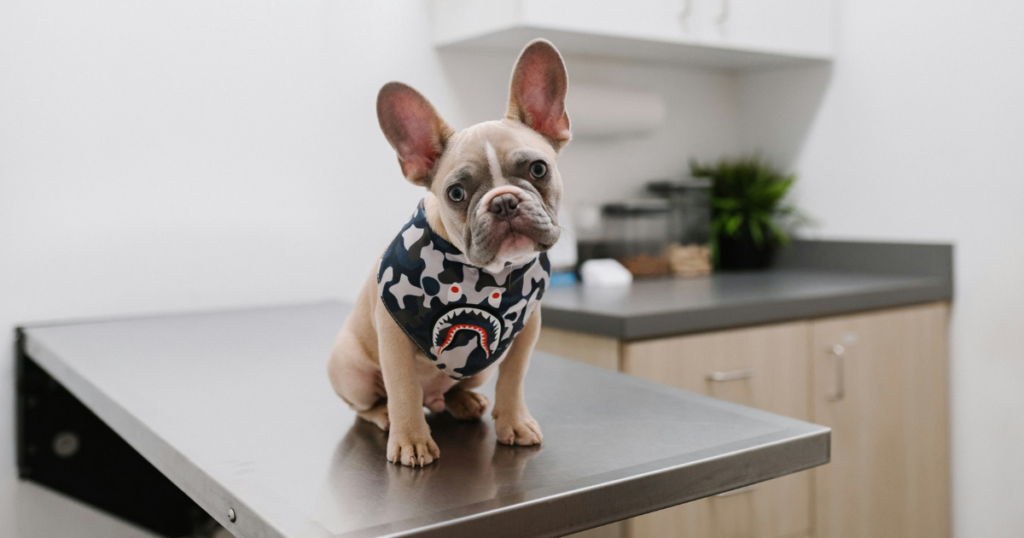
French Bulldogs have distinctive airway, spinal, eye and skin risks. Learn what veterinary research actually shows, how pet insurance may respond, and which exclusions to check before buying a policy.
French Bulldogs are affectionate, compact companions, but their characteristic short muzzle and body shape can bring health challenges that deserve serious attention. Breathing difficulty, spinal disease, eye problems and skin-fold inflammation can lead to specialist visits, long-term treatment or surgery.
French Bulldog pet insurance is not simply a question of finding the lowest monthly price. The most important question is whether a policy will cover the conditions your dog could actually develop, including eligible hereditary and congenital disorders, and how it treats symptoms recorded before enrollment.
This guide separates veterinary evidence from insurance assumptions. It also explains how to compare quotes without mistaking a promotional starting price for a realistic cost for your particular Frenchie.
Key Takeaways
- French Bulldogs have important breed-associated health risks. Royal Veterinary College research documents a substantial burden of recorded disorders, but its study figures must not be interpreted as lifetime claim probabilities.
- BOAS coverage needs specific confirmation. A general statement that hereditary conditions are covered is not enough if the policy has exclusions, waiting periods or pre-existing symptom rules.
- Spinal disease and emergency care matter. Review imaging, surgery, specialist consultation, rehabilitation and annual payout limits.
- There is no single reliable Frenchie premium. Your ZIP code, dog’s age and policy settings can change the quote considerably.
- Compare coverage, not just price. Understand hereditary conditions, waiting periods and pre-existing-condition rules before buying.
Why French Bulldogs Need a Different Insurance Conversation
The French Bulldog is a brachycephalic breed, meaning its skull has been selectively bred for a shortened muzzle. This can narrow the upper airway. Some dogs breathe comfortably at rest, while others have clinically significant obstruction that affects their quality of life.
Body shape and inherited characteristics are also relevant to spinal and joint disorders. Separately, facial folds and prominent eyes can make skin and eye conditions more likely. Not every French Bulldog develops these problems, and the severity varies widely.
A 2018 Royal Veterinary College study of 2,228 French Bulldogs receiving UK primary veterinary care in 2013 found that 72.4% had at least one disorder recorded in that year. This describes the veterinary records examined during a defined period. It does not mean that 72.4% of all Frenchies will need an insurance-eligible surgery during their lives.
BOAS: The Airway Condition Every Frenchie Owner Should Understand
Brachycephalic obstructive airway syndrome (BOAS) refers to breathing difficulties associated with abnormal upper-airway anatomy. Contributing features can include narrowed nostrils, an elongated or thickened soft palate and other changes that restrict airflow.
Signs may include noisy breathing, difficulty exercising, sleep disturbance, regurgitation, heat intolerance or episodes of respiratory distress. Snoring and snorting should not automatically be dismissed as harmless breed traits. A veterinarian can assess whether the dog has clinically significant obstruction.
When Is BOAS Surgery Considered?
Veterinary assessment may include examination of the nostrils and upper airway, sometimes under anesthesia, and evaluation of other breathing or digestive problems. Surgery may address narrowed nostrils or soft-palate obstruction where clinically appropriate. The procedure, expected benefits and anesthesia risks depend on the individual dog.
Early assessment matters because severe airway obstruction can impair welfare and make overheating or respiratory emergencies more dangerous. The decision about surgery belongs with a veterinarian experienced in brachycephalic airway disease.
Will Pet Insurance Cover BOAS Surgery?
Some accident-and-illness policies may cover medically necessary BOAS treatment when the condition is eligible under the contract. However, coverage can be affected by pre-existing symptoms, waiting periods, congenital-condition provisions or specific exclusions. Do not assume a policy covers BOAS solely because it advertises hereditary-condition coverage.
Hypothetical Example: Noisy Breathing Before Enrollment
A French Bulldog puppy has noisy breathing noted in a veterinary record at 12 weeks. The owner buys insurance at five months. At 14 months, a specialist recommends airway surgery.
The insurer may review the earlier record to decide whether the later surgery relates to a pre-existing condition. The result depends on medical evidence and the contract, not simply the date of the specialist’s diagnosis.
For a detailed explanation, see our pet insurance and pre-existing conditions guide.
Intervertebral Disc Disease (IVDD) and Spinal Problems
Intervertebral discs cushion the bones of the spine. When a disc degenerates or herniates, it can compress nearby nerves or the spinal cord. French Bulldogs are predisposed to certain spinal problems, and clinical signs range from back pain to loss of mobility.
Warning signs include a hunched posture, reluctance to jump, sudden pain, weakness, dragging limbs or difficulty walking. Sudden paralysis or loss of bladder control requires urgent veterinary assessment.
Diagnosis may involve a neurological examination and advanced imaging, such as MRI or CT, depending on the case. Treatment may involve carefully managed rest, medication, rehabilitation or surgery. Not every spinal problem requires surgery, and the correct approach depends on the diagnosis and neurological severity.
What to Check in IVDD Coverage
- Whether eligible disc disease and congenital spinal abnormalities are covered.
- Whether MRI, CT and specialist consultations are reimbursable.
- Whether rehabilitation and repeat treatment are included.
- Whether the policy applies a condition-specific waiting period.
- How previous back pain, weakness or imaging findings affect eligibility.
Waiting periods are not identical across insurers or conditions. Read our full pet insurance waiting periods guide before assuming a spinal claim would be covered immediately.
Cherry Eye, Corneal Problems and Other Eye Conditions
Cherry eye occurs when the gland of the third eyelid prolapses and becomes visible as a pink or red swelling near the inner corner of the eye. Surgical replacement of the gland is often recommended when appropriate, rather than removing it unnecessarily.
French Bulldogs can also develop corneal ulcers and other eye problems. Squinting, cloudiness, eye discharge or sudden eye pain should prompt veterinary care. Some eye conditions require urgent treatment to protect vision.
For insurance, ask about hereditary eye conditions, specialist ophthalmology appointments, surgery and bilateral provisions. A previous problem in one eye may affect later claims for the other under certain policy definitions.
Skin Folds, Allergies and Recurring Ear Problems
Moisture and friction within facial or tail folds can contribute to dermatitis. Allergic skin disease can cause itching, licking, redness and secondary infections. Ear inflammation may occur alongside allergic disease.
These conditions are not always one-time expenses. A dog may need repeat examinations, prescription medication, skin care, allergy investigation or ongoing management. Ask whether chronic and recurring illnesses are covered and how the insurer defines a condition that existed before enrollment.
Hip Dysplasia and Patellar Luxation
Although airway and spinal disease receive much of the attention, orthopedic disorders are also relevant. Hip dysplasia involves abnormal hip-joint development; patellar luxation occurs when the kneecap moves out of its normal position. Clinical severity varies, and not every dog needs surgery.
Coverage questions include hereditary-condition eligibility, orthopedic waiting periods, bilateral exclusions, imaging and postoperative rehabilitation. Our pet insurance and hip dysplasia guide explains these provisions in more detail.
Heat Sensitivity and Respiratory Emergencies
Dogs primarily cool themselves by panting. Brachycephalic airway obstruction can make effective cooling more difficult, particularly during exercise or hot weather. French Bulldogs therefore need sensible heat precautions, including shade, water, climate control and avoidance of strenuous activity in hot conditions.
Heavy breathing, weakness, collapse, marked distress or suspected heatstroke requires immediate veterinary attention. Heat-related illness is not automatically classified as an accident under every policy; confirm the insurer’s definitions and exclusions.
What Do French Bulldog Treatments Cost Without Insurance?
There is no dependable single national price for BOAS surgery, IVDD treatment or emergency care. A quoted procedure price may exclude diagnostic tests, anesthesia, hospitalization, complications, medications and follow-up visits. Costs vary by hospital and region.
| Condition | Potential Expenses | Insurance Detail to Verify |
|---|---|---|
| BOAS | Airway assessment, anesthesia, surgery, monitoring and possible hospitalization | Congenital conditions, pre-existing symptoms, specialist care |
| IVDD or spinal disease | Neurological examination, MRI/CT, hospitalization, surgery or rehabilitation | Advanced imaging, surgery, rehabilitation, annual limit |
| Cherry eye or corneal disease | Ophthalmology examination, medication, possible surgery | Hereditary eye coverage, bilateral exclusions |
| Skin-fold dermatitis | Repeat visits, medication, testing and chronic management | Recurring-condition definitions and prescription benefits |
| Hip dysplasia or patellar luxation | Orthopedic imaging, medication, rehabilitation, possible surgery | Orthopedic waiting period, hereditary and bilateral rules |
| Heat-related emergency | Emergency assessment, cooling, laboratory tests and hospitalization | Emergency treatment eligibility and exclusions |
Ask your veterinary clinic for an itemized estimate when treatment is recommended. Do not use a generic online price range as a substitute for a clinical estimate.
How Much Is French Bulldog Pet Insurance in 2026?
Monthly premiums depend on the dog’s age, ZIP code, policy type, annual payout limit, deductible, reimbursement rate and optional benefits. Insurers also use different pricing models, and rates can change at renewal.
North American Pet Health Insurance Association (NAPHIA) industry figures are useful for understanding the broader market, but an all-dog average is not a French Bulldog quote. Breed-specific comparison websites may use different ages, locations and coverage settings, so their published averages are not directly interchangeable.
For a meaningful comparison, request personalized quotes using the same coverage settings. A promotional starting price, an older-dog estimate and an all-dog market average cannot be treated as equivalent figures.
Illustrative Premium Budgets — Not Live Quotes
- $45 per month equals $540 per year.
- $75 per month equals $900 per year.
- $110 per month equals $1,320 per year.
- $160 per month equals $1,920 per year.
These figures demonstrate annual budgeting only. Your actual quote could be lower or higher. Compare at least three personalized quotes using identical settings.
How to Compare Quotes Fairly
- Enter the same breed, age and ZIP code for every quote.
- Choose the same annual limit wherever possible.
- Keep deductible and reimbursement percentage consistent.
- Compare accident-and-illness coverage, not an accident-only policy against a comprehensive plan.
- Check whether exam fees, specialist care, rehabilitation and prescriptions are included or optional.
- Read exclusions and waiting periods before choosing the lowest premium.
Starting-price myth: A low advertised monthly figure may reflect a young dog, high deductible, low annual limit or restricted coverage. It is not evidence that your French Bulldog will qualify for that price or receive the benefits you need.
Comparing Pet Insurance Providers for French Bulldogs
The companies below are examples to investigate, not a ranked list of the “best” plans. Coverage, pricing and eligibility vary by state and policy edition. Obtain the current sample contract before buying.
| Provider | What to Compare | Question to Ask |
|---|---|---|
| Lemonade | Accident-and-illness options and optional benefits | Are BOAS surgery, exam fees and rehabilitation eligible under my state’s contract? |
| Spot | Annual-limit options and hereditary-condition language | Are brachycephalic airway conditions excluded or subject to special rules? |
| Embrace | Hereditary-condition provisions and orthopedic terms | How are prior breathing symptoms and waiting periods assessed? |
| Figo | Coverage options and enrollment eligibility | What age rules, chronic-condition provisions and specialist benefits apply? |
| Fetch | Illness benefits, diagnostic testing and follow-up care | Are MRI, specialist exams and medically necessary rehabilitation included? |
| AKC Pet Insurance | Pre-existing-condition provisions and plan availability | What are the precise eligibility requirements and exclusions in my state? |
Do not rely on claims such as “two-day payouts,” “no breed exclusions” or a fixed insurer starting price unless those terms are confirmed in the current policy or official provider documentation.
What to Look for in a French Bulldog Policy
1. BOAS and Brachycephalic-Condition Eligibility
Ask specifically whether medically necessary treatment of stenotic nares, elongated soft palate and other BOAS-related problems is eligible. Request the answer in writing and check the exclusion section.
2. Hereditary and Congenital Coverage
Check whether eligible spinal, orthopedic and eye disorders are included. A hereditary predisposition does not automatically make a condition pre-existing, but recorded symptoms and findings can matter.
3. Waiting Periods
Review accident, illness and condition-specific waiting periods. Do not assume IVDD has the same waiting period as hip dysplasia, or that every insurer follows a universal 14-day illness rule. The waiting periods guide explains why the contract matters.
4. Pre-Existing Symptoms
Previous noisy breathing, recurring skin problems, limping or back pain may be reviewed even if a formal diagnosis comes later. See the pre-existing conditions guide for practical examples.
5. Emergency and Specialist Care
Check emergency hospitalization, anesthesia, diagnostic imaging, surgery, specialist consultations and rehabilitation. A low annual limit can become restrictive during a complicated emergency.
6. Chronic Treatment and Medications
Recurring allergies, ear infections and skin-fold problems may require long-term care. Confirm how repeat claims are handled and whether medications are covered.
7. Bilateral and Recurrence Provisions
Some contracts apply special rules when a condition affects both eyes, knees or other paired structures. Ask whether treatment on one side can affect later eligibility on the other.
Does French Bulldog Pet Insurance Make Financial Sense?
Insurance helps transfer some of the uncertainty of a large eligible veterinary bill. It does not guarantee that reimbursements will exceed premiums over your dog’s lifetime. A dog with few health problems may receive little reimbursement; another may need expensive emergency or specialist care.
Hypothetical Reimbursement Example
Suppose a French Bulldog has an $8,000 eligible treatment bill, an annual deductible of $500, 80% reimbursement after the deductible and sufficient annual coverage remaining.
- Eligible bill: $8,000
- Deductible: $500
- Remaining eligible expenses: $7,500
- Insurer reimbursement: $6,000
- Owner’s share: $2,000
This is a calculation example, not a real claim or a quoted BOAS/IVDD surgery price. Actual results depend on the contract, eligible charges, limits and reimbursement method.
Think about your savings, ability to pay an unexpected bill upfront and tolerance for financial risk. Some insurers reimburse after you pay the veterinarian, so even an eligible claim may require access to funds.
How to Reduce Premiums Without Ignoring Major Risks
Enroll Before Symptoms Appear
Early enrollment may reduce uncertainty about later pre-existing-condition exclusions. It does not guarantee future coverage or freeze premiums. If your puppy is already showing breathing difficulty, seek veterinary care promptly rather than waiting for an insurance policy to take effect.
Choose a Deductible You Can Afford
A higher deductible may lower premiums but increases your share of an eligible claim. Compare the actual quote difference rather than assuming the savings will be substantial.
Protect Against Large Eligible Bills
Compare annual limits and reimbursement rates in the context of emergency surgery, advanced imaging and hospitalization. A higher limit may be worth considering if a large uncovered balance would be difficult to pay.
Consider Accident-Only Coverage Carefully
Accident-only policies generally do not provide the same illness coverage as comprehensive plans. That limitation is important for a breed with recognized airway, spinal and skin-related health concerns.
Evaluate Wellness Add-Ons Separately
Routine vaccines, checkups and preventive services are not the same as protection against unexpected illness or surgery. Compare any wellness add-on’s annual cost with the benefits you expect to use.
Frequently Asked Questions
Does pet insurance cover BOAS surgery for French Bulldogs?
Some accident-and-illness policies may cover medically necessary BOAS treatment when eligible under the contract. Pre-existing symptoms, waiting periods and any brachycephalic or congenital exclusions can change the outcome. Ask for written clarification.
How much is insurance for a French Bulldog puppy?
There is no universal puppy price. The quote depends on ZIP code, age, annual limit, deductible, reimbursement rate and insurer. Compare personalized quotes with matching coverage settings.
Is French Bulldog insurance more expensive than other breeds?
Breed-related medical risk can influence insurer pricing, but comparisons are only meaningful when age, location and policy settings match. Do not treat an unadjusted ranking as a quote.
Does pet insurance cover IVDD?
Eligible spinal disease treatment may be covered under an accident-and-illness policy, subject to exclusions, waiting periods, pre-existing-condition rules and payout limits. Check MRI, surgery and rehabilitation benefits separately.
What is usually excluded from French Bulldog pet insurance?
Pre-existing conditions and routine preventive services are common exclusions unless specific provisions apply. Elective procedures, certain congenital conditions and other restrictions depend on the individual policy.
When should I enroll my French Bulldog?
Comparing coverage while your dog is healthy can be helpful because earlier symptoms may affect future eligibility. Enrollment ages and waiting periods differ, and early enrollment is not a guarantee of coverage.
Do all pet insurance plans have the same waiting periods?
No. Accident, illness and orthopedic waiting periods differ across insurers, states and policy versions. Review the current contract rather than relying on a general industry average.
Can an older French Bulldog still get insured?
Some insurers accept older dogs, but eligibility, premiums and available benefits vary. Existing symptoms or conditions may remain excluded, while genuinely new eligible illnesses could still be covered.
Related Guides for French Bulldog Owners
To understand common coverage restrictions, read our pre-existing conditions guide, waiting periods guide and hip dysplasia insurance guide.
If you are comparing breeds, our German Shepherd pet insurance guide focuses on orthopedic and neurological issues; the Golden Retriever guide discusses cancer and joint conditions; and the Dachshund guide explores spinal disease risk.
The Bottom Line
French Bulldogs can face important breathing, spinal, eye and skin conditions, but the presence of a breed predisposition does not predict an individual dog’s health or guarantee an insurance claim.
Choose a policy by examining BOAS eligibility, hereditary and congenital coverage, pre-existing symptoms, advanced imaging, emergency treatment, rehabilitation and annual limits. Compare quotes on equal terms and read the contract before paying.
Learn about our editorial approach on the PetCoverToday About page.
Sources and Further Reading
- O’Neill DG et al. (2018). Demography and disorders of the French Bulldog population under primary veterinary care in the UK in 2013. Canine Genetics and Epidemiology. Peer-reviewed study. The 72.4% statistic is a one-year recorded-disorder proportion.
- Royal Veterinary College, VetCompass. Research program and breed-health studies.
- American College of Veterinary Surgeons. Brachycephalic Syndrome. Clinical features and surgical management.
- American College of Veterinary Surgeons. Intervertebral Disc Disease. Diagnosis and treatment options.
- North American Pet Health Insurance Association. Industry Data. Market context; not an individual French Bulldog quote.
- National Association of Insurance Commissioners. Pet Insurance Consumer Information. Coverage and exclusions.
The PetCoverToday Editorial Team develops and maintains the guides on this site, checking cost figures, coverage terms, and policy rules against insurers' own published pages and, where relevant, veterinary and industry sources. PetCoverToday is an informational website, not a licensed insurance agency, and does not sell policies. Read more about our editorial approach.
Pingback: German Shepherd Pet Insurance: The Complete Cost Guide (2026) -