Whether a bill is covered depends less on the item than on why your vet ordered it, when symptoms began and whether it sits in the base policy or an add-on. Here are the answers for 16 common bills, checked against insurer pages in October 2026.
Does Pet Insurance Cover Blood Work? Complete Checklist
Picture the estimate for a dog who swallowed a sock. It lists an exam fee, x-rays, blood work, surgery, an overnight stay and take-home medication.
At one insurer most of those lines may be reimbursable. At another the exam fee is excluded by design. Cremation, if the dog does not survive, usually sits outside core policies. Same bill, three different answers.
Does pet insurance cover blood work, x-rays, grooming or cremation? The short answer is that standard accident and illness policies pay for diagnosing and treating a new condition, and they do not pay for routine care, elective procedures or anything that began before you enrolled.
This checklist goes through 16 common bills using the insurers’ own pages, shows which question decides each one, and includes a calculator for working out what you would still pay when a claim is approved.
The Four Questions Behind Every Coverage Answer
Start with the question that brings most readers here: does pet insurance cover blood work? The answer changes with the reason the test was ordered, and so does nearly every answer in this guide. Four questions sort them, so ask them in order.
- Is it for a new accident or illness? Embrace says diagnostic blood work “must be directly related to a condition covered by your accident and illness policy.”
- Is it routine or elective? Embrace’s x-ray guide puts it plainly: “Pet insurance is usually for unexpected accidents and illnesses, not routine care.”
- Did signs appear before the policy or during the waiting period? If so, it is pre-existing. Our pre-existing conditions guide and waiting periods guide cover the rules in depth.
- Is it in the base policy or an add-on? Wellness plans are budgeting tools, not insurance, and they come with their own limits.
The Master Coverage Table
The table shows the usual answer and the detail that decides it. Costs appear where an insurer publishes them. Where no figure appears, the pages we read did not give one, so we did not invent one.
| Bill | Usual answer | What decides it |
|---|---|---|
| Blood work | Covered for a covered illness or injury | Must relate to a covered condition. Routine wellness blood tests are not covered. Basic workup $100 to $200 (Embrace). |
| X-rays and ultrasounds | Covered for a covered condition | Fetch and Trupanion list both. Embrace excludes breeding or pregnancy ultrasounds. X-rays $75 to $500 (Embrace). |
| Exam fees | Varies by insurer | Trupanion says it does not cover exam fees. Fetch covers the full sick visit, exam fee included. |
| Allergy testing and treatment | Covered only if signs came after enrollment | Embrace and MetLife cover testing when the allergy is not pre-existing. At Embrace, Cytopoint and Apoquel need the optional prescription drug coverage. Embrace lists allergies as incurable. Tests run $200 to $400 (Embrace). |
| Ear infections | Usually covered if new | Embrace covers new infections after the waiting period. Routine ear cleaning is not covered. A visit runs $150 to $300, severe cases over $500. |
| Parvo | Often covered | Some plans require vaccinations. Signs inside the waiting period make it pre-existing. $1,000 to $5,000 or more (Embrace). |
| Hereditary conditions | Usually covered if not pre-existing | Healthy Paws places no restrictions, except that hip dysplasia needs enrollment before age 6. Signs must first appear after enrolling. Trupanion lists them as covered. |
| Teeth extraction | Covered at most insurers, with exceptions | Trupanion and Fetch cover extractions for dental illness. Healthy Paws covers them after an injury but not for dental disease. Cleanings usually need an add-on. |
| Gastropexy, preventive | Usually not covered | Embrace calls prophylactic procedures elective. $800 to $3,000 standalone, $300 to $400 added to a spay or neuter (Embrace). Emergency bloat surgery is a separate claim. |
| Vaccines | Not in the base policy | Embrace says vaccinations are not covered by general pet insurance. Trupanion does not cover preventive care. Add-ons from Fetch, Spot, Lemonade and Embrace can reimburse them. |
| Flea and tick prevention | Not in the base policy | Embrace can cover one dose for an active infestation, but prevention needs its Wellness Rewards add-on. |
| Grooming and nail trims | Not covered | Spot says plans typically exclude grooming. Embrace calls medical nail-trim exceptions rare. |
| Training and behavior | Training no, behavioral therapy sometimes | Embrace covers therapy for a vet-diagnosed condition but not basic training. |
| Euthanasia | Covered at some insurers | Embrace covers it for a covered condition and excludes it when the condition was pre-existing. |
| Cremation | Usually not in the core policy | Embrace offers it only through optional Wellness Rewards, which is not insurance. |
| Prescription food | Varies by insurer | Progressive lists prescription food among items policies generally do not cover, while MetLife lists vet-prescribed food among reimbursable expenses. |
Terms vary by state and plan, so treat this as a map for what to ask, not a guarantee. Each insurer’s sample policy controls.
Does Pet Insurance Cover Blood Work, X-Rays and Ultrasounds?
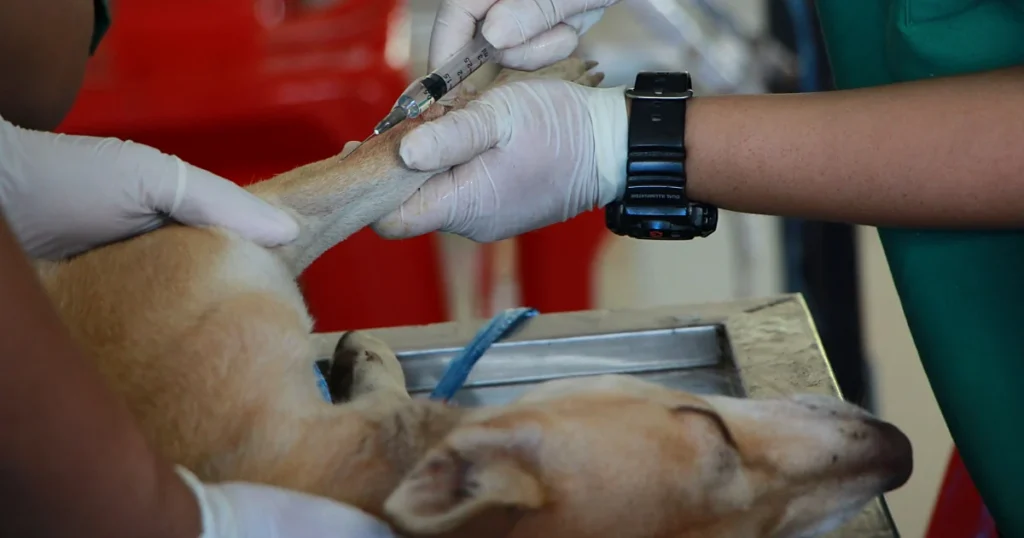
Diagnostics are the easiest item to get wrong, because they are covered for one reason and excluded for another. Fetch says MRIs and other diagnostics are “included in Fetch’s accident and illness pet insurance policy,” listing bloodwork, urinalysis, X-rays, CT scans, MRIs and ultrasounds, with no add-ons required.
Trupanion also lists X-rays, ultrasounds and CT scans. Embrace is the most specific on blood work: covered when ordered to diagnose a covered condition, not covered for annual wellness checks on a healthy pet.
The same test can fail for a second reason. Embrace says testing “performed to investigate a pre-existing condition” may not be eligible for reimbursement. So a covered item can still be denied because of the reason it was ordered.
Does Pet Insurance Cover Blood Work for a Healthy Dog?
Not under a standard policy. A routine panel at an annual checkup is preventive care. Embrace says wellness plans can help you budget for it, adding that “wellness plans aren’t insurance,” so you would be paying for a reimbursement program, not a risk transfer.
Some add-ons name blood work directly. Lemonade’s Preventative package, an add-on to its base policy, includes an annual blood test along with up to three vaccines, parasite and heartworm screening and an annual physical. If yearly bloodwork matters to you, compare that add-on’s price with what your vet charges.
Does Pet Insurance Cover Blood Work for Cats?
The same rules apply to cats. Blood work ordered to diagnose a new illness, such as a kidney or thyroid problem that started after enrollment, falls under the diagnostic coverage insurers describe. A senior cat’s routine screening panel is preventive care. Note that Embrace lists thyroid imbalances among the conditions it treats as incurable if they are pre-existing.
The Exam Fee Gap
One line item deserves its own warning. Trupanion says it made a “deliberate choice not to cover wellness and preventive care or exam fees.”
Fetch takes the opposite approach and says it covers “the complete sick visit, exam fee included,” putting sick-visit exam fees at about $50 to $250. Embrace says its full coverage plans can include the vet visit itself.
An exam fee is on nearly every bill, so a policy that excludes it quietly shaves something off every claim. Ask about it in writing.
Illness Bills: Allergies, Ear Infections, Parvo and Hereditary Conditions
Allergy claims follow the same timing rule. Embrace and MetLife both say testing is reimbursable only when the allergy was not present before the policy began. Embrace lists allergies among incurable pre-existing conditions, so an early sign can exclude them for good.
Medication is a second check. At Embrace, Cytopoint and Apoquel are covered only if you chose its optional prescription drug coverage at enrollment. Our guide to pet insurance that covers allergies compares insurers in detail.
Ear infections are generally covered when they are new. Embrace covers diagnosing and treating infections that occur after the waiting period, and it says a pre-existing infection may become eligible after twelve consecutive months of being infection, symptom and treatment free. Routine ear cleaning is not covered.
Parvo is often covered, but Embrace warns that some plans only pay if the dog has all required vaccines, and that signs inside the waiting period make it pre-existing. For a puppy, that makes the waiting period and the vaccine schedule the real questions. See our guide on whether pet insurance is worth it for the wider picture.
Hereditary conditions depend on timing too. Healthy Paws says it places no coverage restrictions on hereditary or congenital conditions, though hip dysplasia is covered only when you enroll before age 6.
A condition whose signs were present before enrollment is excluded even if it was never diagnosed. Our guides to hip dysplasia, ACL and CCL surgery and cancer show how this plays out.
Procedures: Teeth Extraction and Gastropexy
Tooth extractions are where insurers differ most. Trupanion and Fetch cover extractions for dental illness, Embrace caps dental illness at $1,000 per policy term, and Healthy Paws covers an extraction after an injury but not one caused by dental disease. Cleanings need an add-on nearly everywhere. Our guide to pet insurance that covers dental compares them.
A preventive gastropexy, the surgery that tacks the stomach in place in deep-chested breeds, is planned in advance rather than triggered by an illness. Embrace describes such prophylactic procedures as elective and puts the cost at $800 to $3,000 standalone, or about $300 to $400 more when added to a spay or neuter. Confirm with your insurer before booking.
Emergency bloat surgery is another matter and is usually a covered claim. Our bloat coverage guide explains the split.
Routine Care Insurers Usually Exclude
Vaccines, flea and tick prevention, grooming and nail trims fall outside base accident and illness policies. Spot says most plans in the market do not cover flea and tick prevention in their base coverage, and that plans typically do not cover grooming.
Embrace is blunt that “vaccinations are not covered by general pet insurance,” and it budgets $40 to $75 for a rabies shot. There is a narrow exception for fleas: with an active infestation, Embrace says insurance “can cover one dose of an approved medication.” Its heartworm guidance makes the same split: “this is treatment, not prevention.”
Routine care comes back through add-ons. Embrace’s Wellness Rewards, Spot’s optional wellness coverage, Fetch Wellness and Lemonade’s preventative packages all reimburse routine items. Spot’s add-on covers vaccines, flea and tick preventives and annual exams. Embrace says its version is not insurance.
What a Wellness Add-On Really Is
Embrace states Wellness Rewards “is NOT INSURANCE and is not a regulated benefit.” Use is based on an annual maximum, ending the membership early can leave you owing fees for the 12-month term, and it is not available in Rhode Island.
Spot’s page cites an ASPCA table putting dog vaccinations at $120 to $300 a year, though the ASPCA source it cites dates from 2021. Compare that against the add-on’s price and cap before paying for it, since you may do as well saving the same money yourself.
Training, Behavior, Euthanasia and Cremation
Basic training is not covered. Embrace does say it includes behavioral therapy in all dog policies when a vet diagnoses a condition such as separation anxiety, covering vet-handled treatment and FDA-approved medication. It also says this is not standard across companies.
For end-of-life care, Embrace says euthanasia is covered when a vet recommends it for a covered condition. If the condition existed before the policy began, it is not. Cremation sits outside core policies at Embrace and is an eligible expense only under its optional wellness plan.
We did not find these end-of-life items confirmed on the other insurers’ pages we read, so ask before buying. Our guide on what pet insurance does not cover lists more exclusions.
Covered Is Not the Same as Free: Check What You Would Pay
Even an approved claim leaves a share with you. The calculator below applies a deductible, a reimbursement rate and an annual limit to an eligible bill. Enter only the amount that is covered, leaving out items such as routine care.
Eligible bill calculator
With the defaults, a $1,200 eligible bill after a $500 deductible at 80% reimbursement returns $560 and leaves you paying $640. That is a good claim. Covered still means you pay a real share. For a quick estimate by condition, try our vet cost insurance checker.
How to Check Any Bill Before You Buy
- Ask for the sample policy. Search it for “routine,” “elective,” “wellness” and “exam.”
- Ask about exam fees in writing. Insurers treat them differently, as shown above.
- Request a medical history review where offered. Embrace lets you request one any time after you buy, so you learn what it considers pre-existing before you file a claim.
- Price the add-on separately. Compare its cost and annual cap with what you spend on routine care.
- Compare like with like. Request quotes for the same age, ZIP code, deductible, reimbursement rate and limit. Our comparison of major pet insurance companies and cost calculator help.
If you already have a policy and are weighing a switch, read our guide to switching pet insurance first. Accident-only plans pay far less of this list, as our accident-only versus illness guide explains.
Frequently Asked Questions
Yes, when a vet orders it to diagnose or treat a covered accident or illness. Embrace says a basic workup generally costs $100 to $200, and that routine wellness blood tests for seemingly healthy pets are not covered by standard accident and illness policies. Testing to investigate a pre-existing condition may also be denied.
Not under a standard accident and illness policy, because a routine panel is preventive care. Some add-ons cover it: Lemonade’s Preventative package includes an annual blood test, and wellness add-ons from Fetch, Spot and Embrace reimburse routine care.
Generally yes, when they diagnose a new covered condition. Fetch and Trupanion both list x-rays and ultrasounds among covered diagnostics, and Embrace says ultrasounds are typically covered for a new accident or illness but breeding or pregnancy ultrasounds are not. Embrace puts x-ray costs at $75 to $500.
It depends on the insurer. Trupanion says it deliberately does not cover exam fees. Fetch says it covers the complete sick visit, exam fee included, and Embrace says its full coverage plans can include the vet visit. Check this before you buy, because the exam fee appears on almost every bill.
Not in the base policy at most insurers. Embrace says vaccinations are not covered by general pet insurance, and Trupanion does not cover wellness and preventive care. Spot, Fetch, Lemonade and Embrace each offer an optional add-on for routine care. Treating an active flea infestation can be covered at Embrace.
Euthanasia can be covered when a vet recommends it for a covered condition. Embrace says so, but excludes it when the underlying condition existed before the policy. Embrace’s accident and illness policies do not cover cremation, though it is an eligible expense under its optional Wellness Rewards plan, which is not insurance.
Usually not. Spot says plans typically do not cover grooming, and Embrace says routine nail trims and basic training are not covered. The exception is behavioral therapy for a vet-diagnosed condition such as separation anxiety, which Embrace includes in all its dog policies.
The Bottom Line on Pet Insurance Coverage
For blood work and other diagnostics, the answer is usually yes for a covered illness, usually no for a routine checkup. New illnesses and emergency surgery are usually covered too. Routine care, prevention, grooming, training and most end-of-life extras usually are not, unless you buy an add-on that is not insurance.
Before you enroll, ask the four questions and confirm exam fees, extractions and gastropexy in writing. Our dental coverage comparison covers the extraction question in depth. You can read how we research every guide on our About page.
Sources
- Embrace Pet Insurance: blood work, x-rays, ultrasounds, ear infections, parvo, allergy testing and shots
- Embrace Pet Insurance: vaccines, flea, tick and heartworm, nail clipping, training and behavioral therapy, euthanasia and cremation, gastropexy
- Embrace Pet Insurance: pre-existing conditions, medical history review
- Fetch: MRI and diagnostics coverage, exam fee coverage
- Trupanion: What does a Trupanion policy cover?
- Healthy Paws: Hereditary and congenital conditions
- Lemonade: Preventative care options
- Spot: Does pet insurance cover routine care?, Does pet insurance cover grooming?
- MetLife Pet: Pet insurance that covers allergies; Progressive: Does pet insurance cover allergies?
The PetCoverToday Editorial Team develops and maintains the guides on this site, checking cost figures, coverage terms, and policy rules against insurers' own published pages and, where relevant, veterinary and industry sources. PetCoverToday is an informational website, not a licensed insurance agency, and does not sell policies. Read more about our editorial approach.