
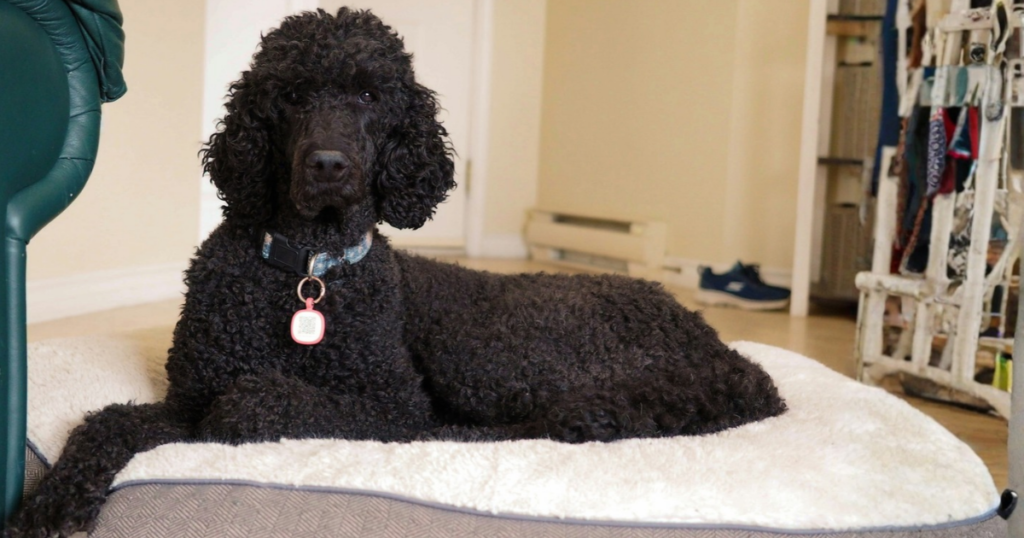
Toy, Miniature and Standard Poodles do not share exactly the same health risks. Standard Poodles have a documented history of Addison’s disease and sebaceous adenitis, two conditions that make chronic illness coverage especially important.
A Poodle owner comparing insurance quotes may see a familiar breed name but very different prices and policy options. A Toy Poodle and a Standard Poodle differ substantially in size, and their veterinary risks are not identical. Even two Standard Poodles of the same age may have different medical histories that affect future claims.
One condition deserves particular attention in Standard Poodles: Addison’s disease, also known as hypoadrenocorticism. It can cause vague, recurring symptoms before a diagnosis is made, and many affected dogs need medication and monitoring throughout their lives.
Standard Poodles also have a documented association with sebaceous adenitis, an inflammatory skin disease. Smaller Poodles face different concerns, including certain orthopedic disorders.
The best Poodle pet insurance policy is therefore not necessarily the one with the lowest advertised monthly price. It is the one whose coverage terms fit the dog’s size, health history and the expenses an owner would struggle to pay.
Quick Answer
What should Poodle owners look for in pet insurance? Start with comprehensive accident-and-illness coverage, a manageable deductible and an annual reimbursement limit that could handle a major emergency. For Standard Poodles, examine chronic medication benefits, Addison’s disease coverage, hereditary-condition exclusions and how pre-existing symptoms are defined. For Toy and Miniature Poodles, pay particular attention to orthopedic and dental-related provisions.
Key Takeaways
- Standard Poodles have a documented predisposition to Addison’s disease and sebaceous adenitis. Genetic research links these conditions with historical breeding patterns and reduced genetic diversity in certain lines.
- The widely repeated 9% Addison’s disease figure is not a reliable current prevalence for every Standard Poodle. Estimates vary by population and study design.
- Chronic illness coverage matters. An eligible Addison’s disease claim may involve initial testing, stabilization, recurring medication and ongoing monitoring.
- Poodle insurance prices depend on more than breed size. Age, ZIP code, coverage limit, deductible and reimbursement percentage all affect premiums.
- Pre-existing-condition wording is critical. Earlier symptoms may affect coverage even when a formal diagnosis comes later.
Why Poodles Need a Size-Specific Insurance Comparison
Poodles are often discussed as though they were one uniform breed category. In practice, the differences among Toy, Miniature and Standard Poodles are relevant to veterinary costs and insurance.
A smaller dog may be more vulnerable to certain kneecap or hip conditions. A Standard Poodle has the physical characteristics of a larger dog and may face additional concerns, including gastric dilatation-volvulus.
These differences do not mean that one size is always healthier or cheaper to insure. They mean that an owner should compare the specific risks and the actual terms offered for their dog.
| Poodle Size | Health Considerations | Insurance Priority |
|---|---|---|
| Toy | Patellar luxation, certain small-breed hip disorders, dental disease and inherited eye conditions | Orthopedic provisions, illness benefits and any dental coverage restrictions |
| Miniature | Patellar and hip problems, eye conditions and other inherited disorders | Hereditary-condition coverage and orthopedic waiting periods |
| Standard | Addison’s disease, sebaceous adenitis, hip disorders and GDV risk | Chronic illness treatment, emergency surgery and adequate annual limits |
The table identifies conditions worth asking about, not diseases that every Poodle will develop. Individual risk depends on genetics, age, medical history and other factors.
Addison’s Disease in Standard Poodles
What Addison’s Disease Does to the Body
Addison’s disease occurs when the adrenal glands do not produce enough of certain hormones. Depending on the form of the disease, the deficiency can involve cortisol, aldosterone or both.
Cortisol helps the body respond to physical stress and maintain normal metabolic functions. Aldosterone helps regulate sodium, potassium and fluid balance.
A dog with inadequate adrenal hormone production may experience weakness, poor appetite, vomiting, diarrhea, weight loss or episodes of lethargy. Symptoms can appear intermittently, making the condition difficult to recognize.
A severe Addisonian crisis is a medical emergency. Affected dogs may develop dangerous dehydration, circulatory problems or collapse and need immediate veterinary treatment.
Why Standard Poodles Are Discussed in the Research
In 2015, researchers led by Niels C. Pedersen at the University of California, Davis, published a study examining genetic bottlenecks and inbreeding in Standard Poodles.
The researchers investigated two important diseases: Addison’s disease and sebaceous adenitis. They found evidence that historical breeding patterns, including a mid-twentieth-century bottleneck associated with influential show lines, had concentrated inherited susceptibility within parts of the Standard Poodle population.
The study included a selected sample of dogs, some with known disease histories. It was designed to examine genetic relationships and disease associations, not to establish the current prevalence of either condition in all Standard Poodles.
This distinction matters. A figure such as 9% may appear in breed discussions, but it should not be interpreted as proof that exactly nine out of every hundred Standard Poodles alive today will develop Addison’s disease.
The genetic evidence is useful because it identifies a real breed concern. It does not predict the future health of any individual puppy.
How Veterinarians Diagnose Addison’s Disease
The early symptoms can resemble gastrointestinal illness, kidney problems and several other conditions. Veterinarians may begin with a medical history, physical examination and laboratory tests.
An ACTH stimulation test is used to confirm adrenal cortisol deficiency. The test evaluates how the adrenal glands respond to a hormone signal.
Electrolyte abnormalities can support suspicion of Addison’s disease, but normal sodium and potassium results do not exclude every form of the condition.
The American Animal Hospital Association’s 2023 endocrinology guidelines describe the diagnostic approach, including the limitations of resting cortisol measurements.
What Treatment Looks Like
Many dogs with Addison’s disease require lifelong hormone replacement. Depending on the form of disease, treatment may involve a glucocorticoid such as prednisone and mineralocorticoid replacement with desoxycorticosterone pivalate (DOCP) injections or fludrocortisone.
Veterinary follow-up may include examinations, electrolyte testing and medication adjustments. Treatment is individualized, and the veterinarian determines the appropriate drug and dose.
The long-term outlook is often good when the disease is correctly diagnosed, treated and monitored.
Insurance implication: Addison’s disease is not necessarily a one-time veterinary expense. Check whether a policy covers eligible recurring prescriptions, follow-up laboratory work and treatment adjustments over successive policy years.
Why Pre-Existing Symptoms Matter for Addison’s Claims
A dog may show nonspecific symptoms for weeks or months before a veterinarian confirms Addison’s disease. Insurance companies may review the entire medical history when assessing a claim.
Illustrative scenario: Symptoms before the diagnosis
A three-year-old Standard Poodle has several episodes of vomiting and unusual tiredness. The veterinarian records the symptoms, but the cause remains uncertain.
The owner later purchases insurance. After the waiting period, the dog becomes seriously ill and an ACTH stimulation test confirms Addison’s disease.
The insurer may investigate whether the earlier symptoms were related to the newly diagnosed condition. The outcome depends on the policy’s definition of a pre-existing condition and the medical evidence.
This is a hypothetical example, not an actual insurance claim. It illustrates why enrollment timing and medical records can matter even when the diagnosis occurs after the policy starts.
Owners should never delay veterinary assessment, conceal symptoms or alter records to influence insurance eligibility.
Sebaceous Adenitis: Another Standard Poodle Concern
Sebaceous adenitis is an inflammatory disease that damages the sebaceous glands responsible for producing oils that help maintain the skin and coat.
Affected dogs may develop scaling, hair loss, coat changes and secondary skin infections. Diagnosis can require examination by a veterinarian and, in some cases, skin biopsy.
Management depends on severity and may involve topical therapies, bathing regimens, medications and treatment of secondary infections.
The 2015 UC Davis study examined sebaceous adenitis alongside Addison’s disease because both were associated with historical breeding patterns in Standard Poodles.
That does not mean the two conditions are the same disease or that a dog diagnosed with one will necessarily develop the other.
From an insurance perspective, check coverage for eligible dermatology consultations, diagnostic procedures, prescription treatments and recurring care.
Hip Dysplasia and Legg-Calvé-Perthes Disease
Orthopedic concerns differ across Poodle sizes.
Hip dysplasia involves abnormal development of the hip joint and can contribute to arthritis and pain. Standard Poodles may require medical management or, in selected cases, surgery.
Legg-Calvé-Perthes disease affects the femoral head and is associated with small dog breeds. Toy and Miniature Poodle owners should understand whether their insurance covers eligible hereditary orthopedic conditions.
Patellar luxation, in which the kneecap moves out of its normal position, is another condition worth reviewing in smaller Poodles.
Insurance companies may apply special waiting periods, pre-existing-condition rules or other restrictions to orthopedic claims.
Our guide on pet insurance and hip dysplasia explains the policy questions in more detail.
Progressive Retinal Atrophy and Eye Coverage
Progressive retinal atrophy (PRA) refers to a group of inherited retinal disorders that cause progressive vision loss.
Different genetic forms occur in dogs, and risk is not identical across Poodle sizes or breeding lines.
Veterinary ophthalmic examinations and appropriate genetic testing may help breeders and owners understand certain inherited risks, but testing is not a substitute for veterinary assessment.
When comparing policies, review coverage for eligible eye examinations, specialist consultations and treatment of covered eye diseases.
Insurance does not reverse inherited retinal degeneration, and the availability of treatment depends on the specific condition.
Bloat and Emergency Surgery in Standard Poodles
Standard Poodles have a relatively deep-chested body shape, which is relevant to the risk of gastric dilatation-volvulus (GDV).
GDV occurs when the stomach becomes distended and twists. It is a life-threatening emergency requiring immediate veterinary attention.
Warning signs may include unproductive retching, abdominal swelling, restlessness, weakness and collapse.
Emergency care may require stabilization, imaging, surgery and hospitalization. An accident-and-illness policy may cover eligible emergency treatment, subject to its terms.
Preventive gastropexy is different from emergency GDV treatment. Many policies exclude elective preventive procedures from standard accident-and-illness coverage, so owners should ask specifically about that distinction.
What Poodle Health Conditions Can Cost Without Insurance
Veterinary costs depend on the hospital, location, severity of illness, medication choices and treatment plan. The original version of this guide listed several dollar ranges without a consistent, verifiable pricing method.
Instead of treating those figures as reliable nationwide prices, the table below identifies the services an owner may need to budget for.
| Condition | Potential Expenses | Insurance Detail to Check |
|---|---|---|
| Addison’s disease diagnosis | Examination, bloodwork, ACTH stimulation testing and possible hospitalization | Diagnostic tests, hospitalization and illness waiting periods |
| Long-term Addison’s care | Prescription hormones, follow-up visits and monitoring tests | Recurring prescriptions, annual limits and renewal provisions |
| Sebaceous adenitis | Dermatology consultation, biopsy, topical treatment and medication | Chronic skin disease and eligible prescription treatment |
| Hip disorders | Imaging, medication, rehabilitation and possible surgery | Hereditary conditions and orthopedic waiting periods |
| GDV | Emergency stabilization, surgery and hospitalization | Emergency illness benefits and preventive-procedure exclusions |
| Routine veterinary care | Wellness examinations, vaccinations and preventive services | Whether optional wellness benefits are worth their additional cost |
Ask the veterinarian for an itemized estimate whenever possible. Check whether the estimate includes diagnostic tests, medication, hospitalization and follow-up appointments.
How Much Does Poodle Pet Insurance Cost in 2026?
A Poodle’s insurance premium depends on size, age, location and policy settings. Toy, Miniature and Standard Poodles may receive different quotes even when the owner selects the same deductible and annual limit.
Published breed-price comparisons can be useful as a starting point, but they are often based on different dogs and coverage assumptions.
The original article cited figures ranging from approximately $24 to $113 per month. That spread included insurer examples and third-party estimates with different methodologies. It should not be described as a verified price range that covers most Poodle owners.
For a meaningful comparison, obtain several current quotes for your own dog using identical policy settings.
Factors That Affect a Poodle’s Premium
- Size: Insurers may distinguish Toy, Miniature and Standard Poodles.
- Age: Premiums often increase as dogs get older.
- ZIP code: Veterinary pricing and insurer rating methods vary geographically.
- Deductible: Higher deductibles may reduce monthly premiums.
- Reimbursement percentage: A higher percentage generally costs more.
- Annual limit: Higher reimbursement ceilings may increase premiums.
- Optional benefits: Examination fees, rehabilitation and wellness add-ons may change the total price.
Comparing Pet Insurance Providers for Poodles
These providers are worth including in a quote comparison. The table is not a ranking of current prices or a guarantee that every feature is available in every state.
| Provider | What to Compare | Why It Matters |
|---|---|---|
| Lemonade | Available annual limits, add-ons, waiting periods and hereditary-condition terms | Compare the complete policy rather than an advertised starting price. |
| AKC Pet Insurance | State-specific pre-existing-condition provisions, continuous coverage requirements and hereditary add-ons | Its advertised 365-day pre-existing-condition provision requires careful review. |
| Rainwalk | State availability, annual limits, deductible choices and exclusions | Confirm the product and policy terms offered in your location. |
| Pets Best | Prescription medication, chronic illness benefits, rehabilitation and waiting periods | Relevant when comparing ongoing treatment expenses. |
| Pumpkin | Hereditary-condition benefits, diagnostics, medication and annual limits | Useful comparison points for Standard Poodle health concerns. |
| Fetch | Specialist treatment, diagnostic tests, prescriptions and exclusions | Check which recurring services are eligible. |
Request the full sample policy before purchasing. A marketing summary may omit exclusions, limits and conditions that matter during a claim.
AKC’s 365-Day Pre-Existing-Condition Provision
AKC Pet Insurance advertises eligibility for certain curable and incurable pre-existing conditions after 365 days of continuous coverage.
That is an unusual feature in the U.S. pet insurance market, but it is not an unconditional promise that every previous illness will be reimbursed.
The provision is not available in all states. Policy terms, applicable waiting periods, exclusions, add-on requirements and benefit limits still matter. Treatment occurring during the waiting period may not be eligible.
An owner whose Poodle already has Addison’s disease should request the state-specific contract and ask directly whether future treatment for that particular condition would qualify after the required period.
Review the insurer’s published pre-existing-condition information and sample policy documents.
What to Look for in a Poodle Insurance Policy
- Chronic illness coverage: Confirm that eligible long-term medication and monitoring are covered after diagnosis.
- Hereditary-condition benefits: Review the policy’s treatment of Addison’s disease, orthopedic disorders and inherited eye conditions.
- Adequate annual limit: Consider whether the reimbursement ceiling could handle hospitalization and continuing care in the same year.
- Clear pre-existing-condition rules: Check how symptoms documented before enrollment affect later claims.
- Prescription coverage: Confirm whether eligible maintenance medications and follow-up laboratory tests are included.
- Orthopedic waiting periods: Review special rules for hip disorders and kneecap problems.
- Emergency illness coverage: Standard Poodle owners should examine hospitalization and emergency surgery benefits.
- Correct breed-size classification: Make sure the quote reflects your dog’s actual Poodle variety.
How a Chronic Addison’s Claim Might Work
Suppose a Standard Poodle develops Addison’s disease after an accident-and-illness policy becomes effective and after all applicable waiting periods. Assume the condition is eligible for coverage.
For illustration, the owner receives $2,400 in eligible diagnostic and treatment bills during the policy year. The policy has a $250 annual deductible and reimburses 80% of eligible costs after the deductible.
| Calculation | Illustrative Amount |
|---|---|
| Eligible veterinary expenses | $2,400 |
| Annual deductible | $250 |
| Eligible balance | $2,150 |
| 80% reimbursement | $1,720 |
| Owner’s share | $680 |
This is a hypothetical calculation, not a quoted treatment price or an actual claim. It assumes all expenses are eligible, the deductible is applied before reimbursement and no annual limit reduces the payout.
A different policy may calculate reimbursement differently or exclude certain services.
What Happens the Following Year?
If the dog continues receiving treatment, a policy with an annual deductible may require that deductible to be met again when the next policy year begins.
That is why owners should compare recurring medication benefits, annual limits and deductible structures rather than focusing only on the initial emergency bill.
Is Poodle Pet Insurance Worth It?
Insurance is most useful when an unexpected eligible veterinary bill would place significant pressure on household finances.
For Standard Poodle owners, Addison’s disease is an example of a condition that may produce expenses across many years. A policy that covers eligible chronic treatment can reduce part of that financial burden.
For Toy and Miniature Poodles, the most relevant claims may look different. Orthopedic treatment, emergency illness or another covered condition could still be expensive.
Consider a hypothetical premium of $45 per month. That equals $540 in one year or $5,400 over ten years if the price never changes. Real premiums may increase, and the owner still pays deductibles, copayments and excluded expenses.
Some insured dogs will never generate claims exceeding their premiums. Pet insurance is a way to manage financial uncertainty, not a guarantee of saving money.
A practical question: Could you comfortably pay for an emergency hospitalization and several months of follow-up treatment without borrowing money?
If the answer is no, compare comprehensive insurance with the amount you could realistically keep in a dedicated veterinary emergency fund.
How to Save Money Without Losing Important Coverage
Compare Identical Policy Settings
Choose the same deductible, reimbursement percentage and annual limit when comparing insurers. Otherwise, a cheaper quote may simply offer less coverage.
Enroll Before Problems Are Documented
Considering insurance while a Poodle is young and healthy can reduce uncertainty around pre-existing conditions. However, early enrollment does not eliminate waiting periods or guarantee coverage for every future illness.
Use the Correct Poodle Size
Do not enter a Toy Poodle as a Miniature or Standard Poodle merely to obtain a different quote. Accurate breed and size information is important for underwriting and policy records.
Consider a Higher Deductible
A higher deductible may lower premiums. Select an amount you could pay promptly during an emergency.
Review Chronic Medication Benefits
For Standard Poodles, confirm whether the policy covers eligible long-term prescription treatment and follow-up testing. A low premium is less valuable if important recurring services are excluded.
Keep a Reserve for Upfront Bills
Many insurance plans reimburse owners after they pay the veterinarian. Maintain funds for the deductible, copayment and any services the insurer does not cover.
Questions to Ask Before Buying
- Does the policy cover eligible Addison’s disease treatment?
- Are ACTH stimulation tests and specialist consultations included?
- Will eligible recurring hormone prescriptions be reimbursed?
- Are follow-up blood tests and electrolyte monitoring covered?
- How does the policy define pre-existing symptoms?
- Does hereditary-condition coverage require an additional benefit?
- Are sebaceous adenitis treatments eligible?
- Are hip and kneecap disorders subject to separate waiting periods?
- Does the policy cover eligible emergency surgery for GDV?
- What is the annual reimbursement limit?
- Does the deductible reset every policy year?
- Can the insurer provide the full state-specific contract?
Keep written answers to questions about unusual coverage provisions and retain the policy issued for your dog.
Frequently Asked Questions
Many accident-and-illness policies cover eligible Addison’s disease treatment, including diagnostics and prescribed medication. The condition must meet the policy’s coverage rules, including waiting periods and pre-existing-condition provisions. Recurring expenses may be subject to deductibles and annual limits.
It may be. Insurers can price different Poodle sizes differently, and larger dogs may have different veterinary costs. Age, ZIP code and policy settings also matter. Compare personalized quotes rather than assuming a fixed difference between sizes.
There is no single reliable puppy premium. Price depends on the dog’s size, age, location, insurer and coverage selections. Puppies often cost less to insure than older dogs, but current quotes are needed for an accurate comparison.
UC Davis researchers found an association between inherited disease susceptibility and historical breeding patterns in Standard Poodles. Their 2015 study examined a mid-twentieth-century genetic bottleneck linked with Addison’s disease and sebaceous adenitis. It does not establish the future risk for any individual dog.
Their health profiles are not identical. Standard Poodles have a particularly well-documented association with Addison’s disease and sebaceous adenitis. Toy and Miniature Poodles have other concerns, including certain orthopedic and eye conditions. No Poodle size is free from illness risk.
It is sensible to compare policies before relevant symptoms or conditions are documented. Early enrollment may reduce pre-existing-condition concerns, but coverage remains subject to waiting periods, exclusions and the policy’s terms.
A dog with Addison’s disease may still be eligible to enroll, but existing treatment is often excluded. AKC Pet Insurance advertises certain pre-existing-condition benefits after 365 days of continuous coverage, subject to state availability and policy restrictions. Obtain written clarification for the individual dog.
Eligible dermatology treatment may be covered under an accident-and-illness policy, but pre-existing symptoms, hereditary-condition provisions and treatment exclusions can affect reimbursement. Check coverage for diagnostics, prescription medication and continuing management.
The Bottom Line on Poodle Pet Insurance
A Poodle’s size matters when comparing insurance, but the dog’s medical history and the policy wording matter just as much.
Standard Poodles have a documented genetic association with Addison’s disease and sebaceous adenitis. These conditions deserve attention because diagnosis and treatment may involve recurring veterinary expenses.
Toy and Miniature Poodles have different concerns, particularly certain orthopedic and eye conditions. Owners should compare policies using the health risks relevant to their dog rather than relying on one generic Poodle premium.
Before purchasing, confirm chronic illness coverage, hereditary-condition provisions, annual limits and pre-existing-condition rules. Ask for the complete policy, not just the quote.
For comparisons with other breeds, read our Golden Retriever insurance guide , Labrador Retriever insurance guide and Boxer insurance guide .
Learn more about our research approach on the PetCoverToday About page .
Sources and Further Reading
- Pedersen NC et al. (2015). The effect of genetic bottlenecks and inbreeding on the incidence of two major autoimmune diseases in Standard Poodles, sebaceous adenitis and Addison’s disease. Canine Genetics and Epidemiology.
- PubMed. Indexed record of the 2015 Standard Poodle genetic bottleneck study.
- American Animal Hospital Association (2023). Canine Hypoadrenocorticism: Diagnostic Testing and Monitoring.
- American Animal Hospital Association (2023). Canine Hypoadrenocorticism Therapy.
- Merck Veterinary Manual. Addison Disease (Hypoadrenocorticism) in Animals.
- AKC Pet Insurance. Pre-Existing Conditions Coverage. Insurer information; availability and restrictions vary.
- Compare.com. Poodle Pet Insurance Comparison. Consumer pricing context; not a guaranteed quote.
- Fetch Pet Insurance. Poodle Pet Insurance Information. Insurer-published breed information.
The PetCoverToday Editorial Team develops and maintains the guides on this site, checking cost figures, coverage terms, and policy rules against insurers' own published pages and, where relevant, veterinary and industry sources. PetCoverToday is an informational website, not a licensed insurance agency, and does not sell policies. Read more about our editorial approach.