A routine exam can turn up stage 2 periodontal disease in minutes. Whether your policy pays for the treatment that follows depends on a clause most owners never read until the claim is already denied.
Pet Insurance That Covers Dental: Illness vs Accident-Only Explained
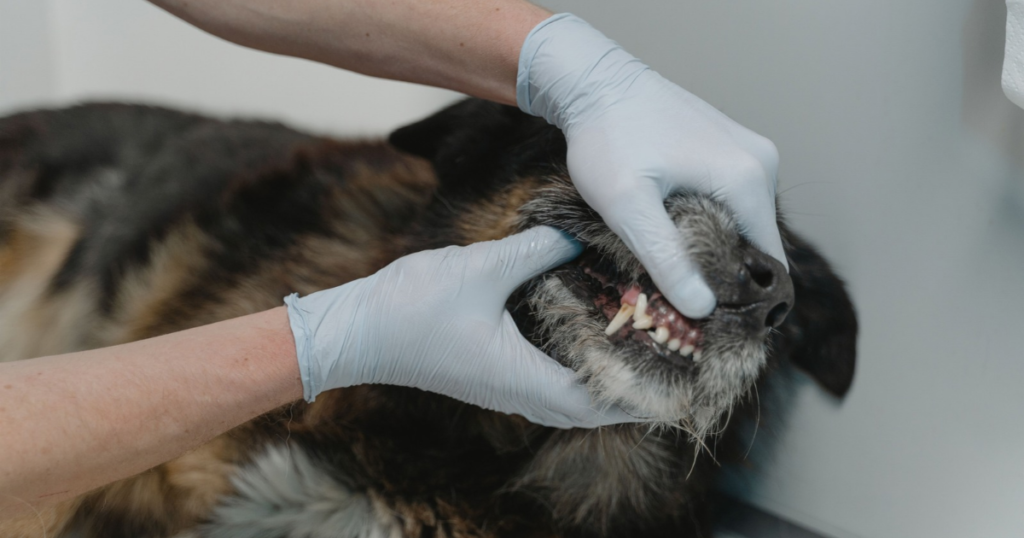
Your vet points at a dog’s back molar during a routine checkup and says the word “periodontal.” Before you ask about treatment, you’re already wondering whether your policy will pay for it, and the honest answer is that it depends on which company you picked, not just whether you have insurance at all.
Quick Answer
Most accident and illness policies cover dental illness, including periodontal disease, abscesses, and extractions, but almost none cover routine cleanings without a separate wellness add-on.
The detail that trips people up is that not every insurer covers dental illness the same way. Healthy Paws, for example, covers only accidental tooth injury and excludes illness-based dental conditions entirely, while Embrace, ASPCA, and Trupanion cover periodontal disease as a standard illness.
Pet insurance that covers dental really means two different things depending on who you ask, and the gap between them can be thousands of dollars.
Why Pet Insurance That Covers Dental Doesn’t Mean One Thing
Dental coverage splits into three separate categories that insurers treat completely differently: accidents, illness, and routine maintenance. A broken tooth from chewing a bone is an accident. Periodontal disease from years of plaque buildup is an illness. A professional cleaning before either happens is routine maintenance.
Every major insurer draws these lines in roughly the same place. Where they differ is which of the three they include in a standard accident and illness policy versus which they push into an optional add-on you have to buy separately.
The Prevalence Problem Behind the Question
Cornell University’s veterinary college puts the scale of this in blunt terms: 80 to 90 percent of dogs over the age of 3 have some degree of periodontal disease, and the condition is consistently worse in smaller breeds.
That’s not a rare complication an owner might never encounter. It’s closer to a default outcome of aging, which is exactly why the exclusions and sublimits buried in a dental clause end up mattering so much more here than they do for most other conditions.
Small and toy breeds carry this risk earlier and more severely because of simple anatomy: the same number of teeth crowded into a smaller jaw means more overlap, more plaque traps, and faster disease progression.
We’ve covered this specifically in our Chihuahua pet insurance guide, where dental disease is close to universal in the breed well before a dog reaches middle age.
What Counts as Covered Dental Illness
When an insurer says it covers dental illness, it typically means a specific, named list of conditions rather than a blanket “dental coverage” promise. ASPCA’s Complete Coverage plan names gingivitis, stomatitis, periodontal disease, tooth abscesses, and even cancerous oral growths and tumors, along with the extractions, X-rays, and prescription medication that treating those conditions requires.
Embrace covers a similar list under its standard accident and illness policy, explicitly naming periodontal disease, abscessed teeth, malocclusions, and gingivitis as covered illnesses, capped at $1,000 per policy term.
Trupanion takes a different structural approach: it covers new dental illnesses and injuries, including extractions, root canals, caps and crowns, fractured jaw repair, and tooth resorption, with no separate annual dollar limit specific to dental claims, as long as the pet has an annual dental exam and the owner follows the vet’s recommended care.
None of these providers cover a dental condition that was already noted in your pet’s records before the policy started or during the waiting period. A vet writing “mild tartar, monitor” at a routine visit before you switch or buy a policy can be enough to exclude periodontal disease as pre-existing later, even though the note itself wasn’t a diagnosis.
It’s the same onset-date mechanic that makes early enrollment critical for breeds prone to hip dysplasia, where a single early chart note can quietly close the door on coverage years before treatment is ever needed.
The Accident-Only Trap
This is the part of dental coverage that catches the most owners off guard. Healthy Paws, one of the larger names in the industry, covers “accidental injury to your dog or cat’s teeth, including extractions and reconstructions,” but its policy language does not extend that to illness-based dental conditions.
Periodontal disease, the condition 80 to 90 percent of older dogs develop, falls outside what a Healthy Paws policy treats as dental coverage. A cracked tooth from a fall is covered. The slow-developing gum disease that eventually requires the exact same extraction is not, under that specific company’s terms.
The phrase “dental coverage” on a provider’s marketing page doesn’t tell you which side of that line you’re on. The only way to know is to read the covered-conditions list in the policy document itself, not the summary page.
Comparing How Five Major Insurers Handle Dental
| Provider | Covers Dental Illness | Covers Dental Injury | Annual Dental Limit | Routine Cleaning |
|---|---|---|---|---|
| Trupanion | Yes | Yes | No separate limit, requires annual exam | Not covered |
| Embrace | Yes | Yes | $1,000 per policy term | Wellness Rewards add-on only |
| ASPCA | Yes | Yes | Standard plan limit applies | Preventive Care add-on only |
| Pets Best | Varies by plan | Yes | Standard plan limit applies | BestWellness plan, up to $150/yr |
| Healthy Paws | No, accident only | Yes | Standard plan limit applies | Not covered |
What a Cleaning and Extraction Cost Out of Pocket
A routine professional cleaning performed by a general practice vet typically runs $350 to $500. That price covers anesthesia, a scale and polish, and usually a basic dental exam, but not necessarily full-mouth X-rays.
Advanced cleanings involving a board-certified veterinary dentist, complete X-rays, and more involved anesthesia monitoring can run $1,500 or more before a single tooth is removed.
Extractions are billed separately on top of that, and they range widely: $500 to $2,500 per tooth depending on whether it’s a simple extraction or a surgical one that requires sectioning the tooth and suturing the gum afterward.
A dog needing four or five extractions during one dental procedure, which is common once periodontal disease has progressed past the early stage, can easily turn a $400 cleaning into a $3,000 to $5,000 visit.
This is exactly the gap that finding genuine pet insurance that covers dental illness, not just accidents, is meant to close, and it’s worth checking before you need it, not after.
Compare two enrollment timelines for the same dog
Periodontal disease is a new condition. If gingivitis or periodontal disease is diagnosed after the policy starts and past the waiting period, a provider that covers dental illness treats it like any other covered condition, extractions included, up to the policy’s normal limits.
Depends on what the chart already says. If a vet noted tartar, gingivitis, or any dental finding before the policy began, that condition is typically excluded as pre-existing for the life of the policy, even if it was described as mild at the time and no treatment was recommended yet.
The Wellness Add-On Path for Routine Cleanings
Since none of the major providers fold routine cleanings into their standard accident and illness policy, getting them reimbursed means buying a separate wellness plan alongside the insurance. These aren’t insurance products technically, they’re reimbursement allowances, and they work differently from provider to provider.
Embrace’s Wellness Rewards lets owners pick a flexible annual allowance that can go toward cleanings with or without anesthesia, toothbrushes, dental chews, and annual checkups. ASPCA’s Preventive Care add-on folds routine cleanings into a broader wellness allowance alongside vaccines and screenings.
Pets Best splits this further: its BestWellness plan includes up to $150 a year specifically allocated to teeth cleaning, while its cheaper EssentialWellness tier doesn’t cover cleanings at all, a distinction easy to miss when comparing plans by name alone.
Small Breeds and the Dental-Insurance Math
Toy and small breeds are where finding pet insurance that covers dental illness, not just routine care, matters most, because the base rate of dental disease is already higher and starts earlier.
A Chihuahua, Yorkshire Terrier, or Shih Tzu owner who waits until a vet flags tartar buildup at a two-year checkup has effectively closed the door on illness coverage for whatever that buildup turns into.
Enrolling as a puppy, before any dental note exists in the record, is the single highest-leverage decision for these breeds specifically, more so than for a large breed where dental disease tends to develop later and less severely.
Reading Your Specific Policy Before You Need It
Three things are worth confirming directly with a provider rather than assuming from their marketing page. First, whether dental illness is covered at all, since Healthy Paws’ accident-only approach shows this isn’t universal.
Second, whether there’s a separate annual sublimit for dental claims specifically, since Embrace’s $1,000 cap applies on top of the policy’s overall annual limit rather than replacing it. Third, what counts as a “pre-existing” dental note, since a tartar mention at a wellness visit can be enough even without a formal diagnosis.
The Bottom Line on Pet Insurance That Covers Dental
Dental illness and dental accidents are usually covered under a standard policy, but routine cleanings almost never are without paying extra for a wellness add-on.
The bigger risk isn’t the cleaning. It’s assuming every provider covers dental illness the same way when at least one major name in the industry doesn’t cover it at all. Confirming that one clause before you buy is worth more than comparing premiums down to the dollar.
Frequently Asked Questions
Almost never under a standard accident and illness policy. Routine professional cleanings are classified as preventive care by every major insurer, including Trupanion, Healthy Paws, Embrace, and ASPCA.
To get cleanings reimbursed, you need a separate wellness plan or add-on, such as Embrace’s Wellness Rewards, ASPCA’s Preventive Care add-on, or Pets Best’s BestWellness plan, each sold alongside the insurance policy rather than as part of it.
It depends entirely on the provider and whether the disease was already noted before your policy started. Embrace and ASPCA both name periodontal disease explicitly as a covered illness up to their policy limits.
Healthy Paws is the notable exception, covering only accidental injury to teeth and not illness-based dental conditions like periodontal disease at all, so this is worth confirming before you buy if periodontal disease is a specific concern.
A routine cleaning by a general practice vet typically runs $350 to $500, while advanced cleanings involving a veterinary dental specialist, full-mouth X-rays, and anesthesia monitoring can reach $1,500 or more.
Extractions are billed separately and range from $500 to $2,500 per tooth depending on whether it’s a simple extraction or a surgical one requiring sectioning and sutures.
Yes, in most cases, because a fractured tooth from chewing something hard or from trauma is classified as an accident rather than preventive care.
This is covered even under accident-only dental policies like Healthy Paws, and it’s typically covered without the stricter conditions, such as proof of annual dental exams, that some insurers attach to illness-based dental claims.
The three most common reasons are: the claim was for a routine cleaning, which standard policies exclude as preventive care; the dental condition was already noted in your pet’s records before the policy started or during the waiting period, making it pre-existing; or your policy has an annual dental payout sublimit, commonly around $1,000, that the claim exceeded.
Reading your specific policy’s dental clause before you need it is the only way to know which applies.
Trupanion stands out for having no separate annual dollar limit on covered dental illness and injury, though it requires an annual dental exam and compliance with your vet’s recommended care to keep that coverage active.
ASPCA and Embrace both cover a broad list of dental illnesses with a defined annual sublimit instead. Healthy Paws is the one to avoid if dental illness coverage specifically matters to you, since its accident-only dental terms exclude periodontal disease and other illness-based conditions entirely.
Sources
- Cornell University College of Veterinary Medicine, Periodontal Disease in Dogs
- PetMD, Dog Teeth Cleaning and Extraction Cost Ranges
- Trupanion, Dental Insurance for Pets FAQ
- Healthy Paws Pet Insurance, Pet Dental Health
- Embrace Pet Insurance, Pet Dental Insurance Coverage
- ASPCA Pet Health Insurance, Pet Insurance for Dental Care
- Pets Best, Routine Care Wellness Plans
This article is for general informational purposes only and is not veterinary or financial advice. Coverage terms, dollar limits, and add-on availability are set by each insurer and change over time.
Always confirm current policy terms directly with a provider and consult a licensed veterinarian for any dental health concern involving your pet.
Sarah Mitchell leads research and writing for every guide on PetCoverToday, working with a small editorial team that checks every cost figure, coverage term, and policy rule directly against insurers' own published pages and, where relevant, veterinary and industry sources. PetCoverToday is an independent research resource, not a licensed insurance agency, and does not sell policies directly. Read more about how we research and fact-check every guide.